
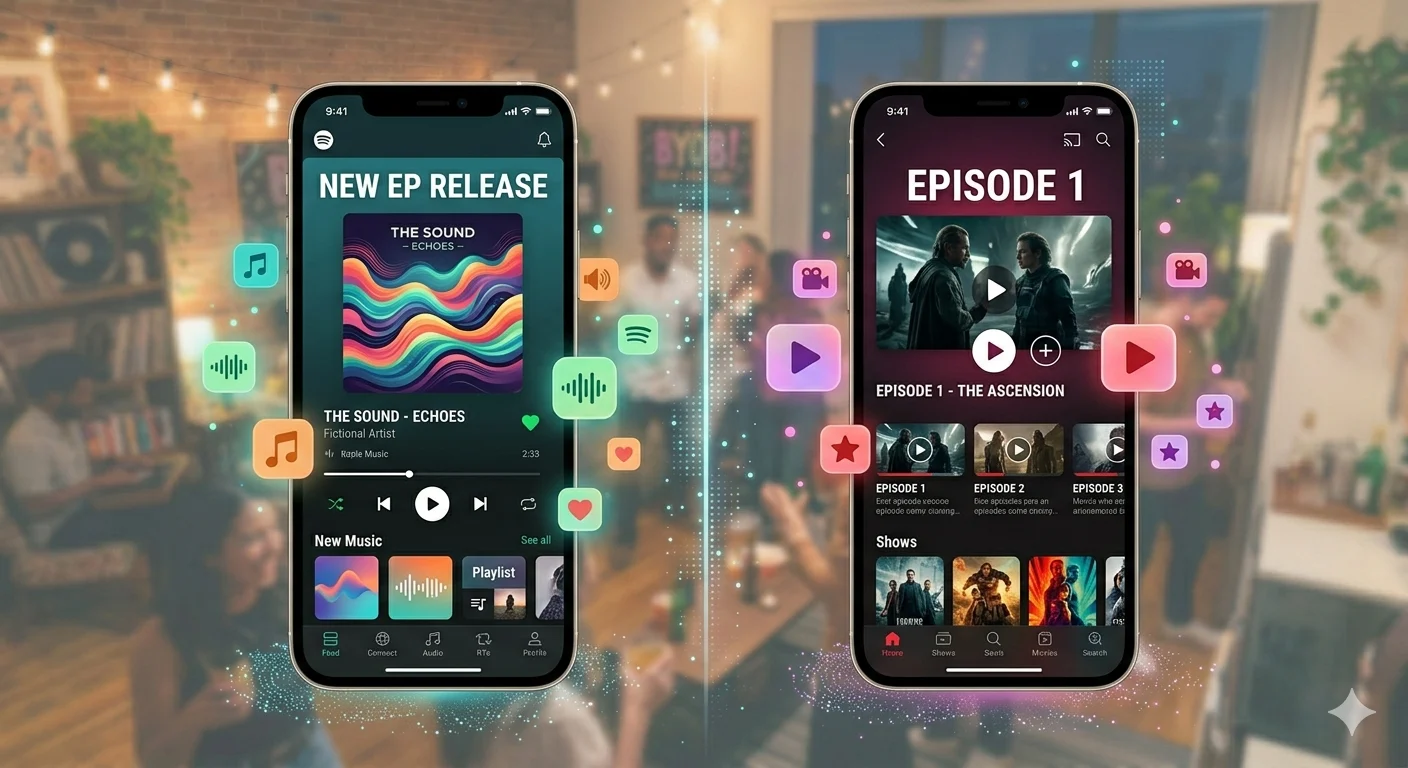
Meaning: EP usually means “Extended Play” (a short music release) or “Episode” (a part of a series).
Full form: Extended Play / Episode
Context: Music, streaming platforms, texting, social media
Tone: Neutral and context-based
If you’ve seen the term “EP” online, in music apps, or in text messages, you might feel a bit confused about what it really means. It’s a short and simple abbreviation, but it can have different meanings depending on where you see it. Many people search for “EP meaning in text” because it appears in so many everyday situations. You might notice it while scrolling through Spotify, watching a series, or chatting with friends about the latest show.
The most interesting thing about EP is that it does not have just one fixed definition. In music, it usually stands for “Extended Play,” which is a short collection of songs. In texting and social media, it often means “episode,” referring to a part of a series or show. This dual meaning is what makes it confusing for beginners.
Understanding EP is important because it helps you follow conversations more easily, especially online. Once you learn how context changes its meaning, the term becomes simple and clear. In this article, you will learn everything about EP, including its meanings, uses, and real-life examples so you can use it correctly without any confusion.
What does EP mean?
EP stands for “Extended Play.” This is the most common meaning, especially in music. An EP is a collection of songs that is longer than a single but shorter than a full album. It usually contains around 3 to 6 tracks. Artists release EPs to share new music without creating a full album.
At the same time, EP can also mean “episode.” In this case, it refers to a single part of a TV series, web series, or podcast. For example, someone might say, “Did you watch the latest EP?” meaning the latest episode.
The key point is simple. EP has more than one meaning, and the correct one depends on where and how it is used.
What does EP mean in texting / slang / social media?
In texting and social media, EP is often used as a short form for “episode.” People use it when talking about shows, series, or online content. It saves time and makes messages shorter. For example, “That EP was amazing” clearly refers to an episode of a show.
In music-related posts, EP keeps its original meaning of “Extended Play.” You might see captions like “My new EP is out now,” which means the artist has released a short collection of songs.
Among younger users and Gen Z, EP is widely understood in both contexts. The meaning becomes clear from the topic of conversation. If the discussion is about Netflix or YouTube, it likely means episode. If it is about Spotify or music, it means Extended Play.
Other meanings of EP
EP can have several other meanings, though they are less common in everyday use. In the entertainment industry, EP can stand for “Executive Producer,” which refers to someone responsible for managing a project. In music equipment, EP can mean “Electric Piano.”
There are also technical or business uses, but these are rare in casual conversations. For most people, the main meanings remain Extended Play and Episode.
How EP is used in real conversations
EP is used in many simple and natural ways. In music conversations, people use it to talk about releases. For example, “I just listened to her new EP” means they heard a short music collection.
In streaming and entertainment discussions, EP is used when talking about shows. Someone might say, “The last EP was so emotional,” referring to a specific episode.
It also appears in casual texting between friends. People often shorten words to save time, and EP fits perfectly into that style. Whether it is about music or shows, the usage feels natural and easy.
Examples
“I just dropped my first EP, go check it out.”
“That EP of the series was so intense.”
“Have you heard his new EP yet?”
“I missed the last EP, no spoilers please.”
“This EP has my favorite songs.”
“The final EP of the season was amazing.”
“She’s working on a new EP this year.”
Tone and intent
The tone of EP is usually neutral. It is not emotional by itself, but it takes meaning from the sentence around it. When used in music, it feels informative and professional. When used in texting, it feels casual and relaxed.
There is no positive or negative tone attached to EP. However, the message can carry emotion depending on how it is written. For example, “That EP was incredible” adds excitement, while “That EP was confusing” shows disappointment. The term itself stays neutral.
Origin or background
The term EP comes from the music industry. It was first used to describe vinyl records that were longer than singles but shorter than full albums. This format became popular because it allowed artists to release more music without creating a full project.
Over time, the term stayed relevant even as music moved to digital platforms. Today, EP is still widely used on streaming services like Spotify and Apple Music.
The “episode” meaning developed separately as people started shortening words in digital communication. With the rise of streaming platforms and online content, EP became a quick way to refer to episodes.
Is it rude or inappropriate?
EP is not rude or inappropriate. It is a safe and neutral term that can be used in most casual conversations. It does not carry any offensive meaning.
However, confusion can happen if the listener does not understand the context. For example, using EP in a formal setting without explanation might make your message unclear. But in general, it is completely acceptable and widely used.
When NOT to use it
You should avoid using EP in formal writing or professional communication unless you explain it clearly. For example, in a business report or academic paper, it is better to write “episode” or “Extended Play” instead of using the abbreviation.
It is also best to avoid using EP when speaking to someone who may not be familiar with slang or short forms. Clear communication is always more important than saving a few letters.
Similar and related slang terms
There are several related terms that are often used alongside EP. In music, “LP” means “Long Play,” which refers to a full album. A “single” is a release with one main song.
In entertainment, people use “season” and “episode” to describe shows. Other abbreviations may include “S1 EP2,” which means Season 1, Episode 2. These terms help organize content and make discussions easier.
EP vs related terms
EP and album are similar but not the same. An EP is shorter and usually has fewer songs, while an album is a full-length project. EP and single are also different. A single usually contains one main track, while an EP has multiple songs.
When comparing EP as “episode,” the difference is clear. Episode refers to a part of a show, not music. This is why context is very important when using the term.
Comparison Table
| Term | Meaning | Usage | Key Difference |
|---|---|---|---|
| EP | Extended Play / Episode | Music, shows, texting | Multiple meanings based on context |
| Album (LP) | Full music project | Music industry | Longer than EP |
| Single | One main song | Music releases | Shorter than EP |
| Episode | Part of a series | TV, streaming | Not related to music |
| Season | Group of episodes | TV shows | Larger unit than episode |
Common misunderstandings
One common mistake is thinking EP always means episode. In music discussions, this is not correct. Another misunderstanding is treating an EP like a full album. While similar, they are not the same.
Some people also get confused when the term is used without context. For example, if someone just says “new EP,” it may not be clear if they mean music or a show. Understanding the situation helps avoid confusion.
FAQ Section
What does EP mean in texting?
It usually means “episode,” especially when talking about shows.
What does EP mean in music?
It means “Extended Play,” a short collection of songs.
Is EP longer than a single?
Yes, an EP has more songs than a single but fewer than an album.
Can EP have multiple meanings?
Yes, the main meanings are Extended Play and Episode.
Is EP formal or informal?
It is mostly informal but can be used in music professionally.
How do I know which meaning is correct?
Look at the context. Music means Extended Play, shows mean episode.
Is EP still used today?
Yes, it is very common in both music and online conversations.
Can EP mean something else?
Yes, but other meanings are rare in everyday use.
conclusion
EP is a simple but flexible term with more than one meaning. It most commonly stands for “Extended Play” in music and “episode” in entertainment. The correct meaning depends on the context in which it is used. In casual conversations, texting, and social media, EP is widely understood and easy to use. By paying attention to the situation, you can quickly understand and use this term correctly without confusion.
1 thought on “EP Means in Text, Slang, Music, and Online Use”