
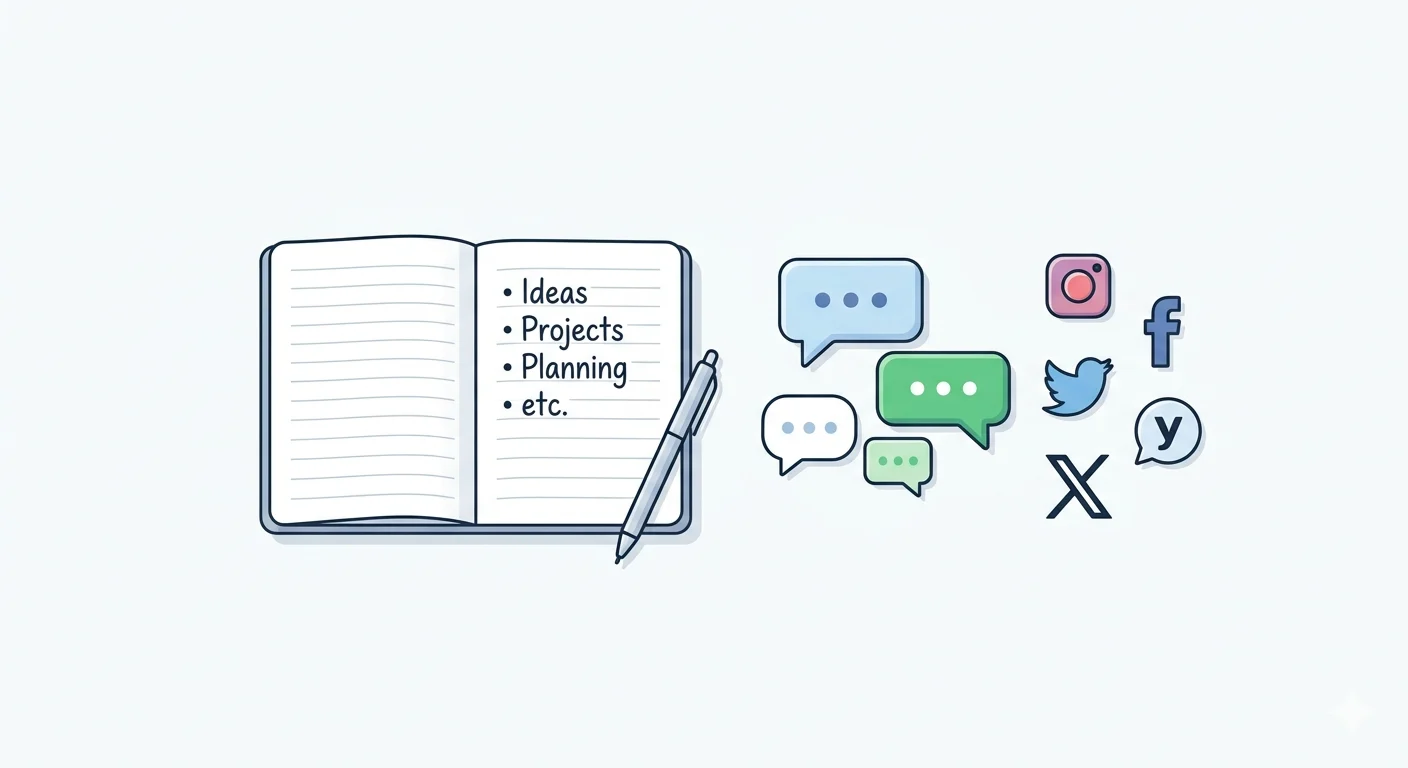
Meaning: “ETC” means and other things
Full form: Et cetera (Latin)
Context: Used in writing, texting, and speech to shorten long lists
Tone: Neutral, slightly informal depending on use
Understanding the meaning of “etc” might seem simple at first, but using it correctly in real communication requires a bit more clarity. This guide is created with a focus on accuracy, practical usage, and real-world examples so readers can confidently use the term in both writing and everyday conversations.
The abbreviation “etc,” short for et cetera, has been part of the English language for centuries and is widely accepted across academic, professional, and casual contexts. However, many people still misuse it or feel unsure about where it fits best especially in texting, social media, or formal writing.
In this article, you’ll get a clear and reliable explanation based on how the term is actually used today. We’ll break down its meaning, show how it appears in modern communication, and explain common mistakes to avoid. If you’re a student, writer, or someone who just wants to improve everyday English, this guide will help you understand “etc” with confidence. The goal is simple: make the meaning easy, the usage clear, and the learning practical so you can apply it naturally without confusion.
What does ETC mean?
“ETC” is short for the Latin phrase et cetera, which means “and other things” or “and so on.” It is used when you are listing items and don’t want to write every single one. Instead of continuing a long list, you simply add “etc” at the end to show that more similar things exist. For example, if you say, “I bought apples, bananas, oranges, etc,” you are telling the reader that you bought more fruits, but you are not listing all of them. It saves time and keeps sentences short. The key idea is that the reader can easily guess what the remaining items are based on the ones already mentioned.
What does ETC mean in texting / slang / social media?
In texting and social media, “etc” is used in the same basic way, but the tone becomes more casual. People use it to quickly finish a thought without typing too much. For example, someone might text, “Bring snacks, drinks, etc,” instead of listing everything. It’s not really slang it’s a standard abbreviation but it fits naturally into casual communication. On platforms like WhatsApp, Instagram, or Facebook, “etc” helps keep messages short and easy to read. Younger users, including Gen Z, may prefer alternatives like “and stuff” or “and all that,” but “etc” is still widely understood and accepted.
Other meanings of ETC
Although “etc” usually means et cetera, it can have different meanings depending on the context, especially in professional or technical fields. For example, in business or project management, “ETC” can mean “Estimated Time of Completion.” In transportation systems, it may stand for “Electronic Toll Collection.” In education, it could refer to “Educational Training Center.” These meanings are less common in everyday conversation, but they are important in specific industries. That’s why context matters. If you see “ETC” in capital letters, it might not mean et cetera, so always consider where and how it is used.
How ETC is used in real conversations
In real life, “etc” appears in both spoken and written communication. In everyday speech, people may say “et cetera” instead of “etc,” especially in more formal situations and in writing, it is used in emails, notes, assignments, and online posts. For example, a teacher might write, “Bring pencils, notebooks, erasers, etc,” while a friend might text, “We’ll watch movies, eat snacks, etc.” The usage stays consistent across contexts the only difference is tone. In formal writing, it should be used carefully to avoid sounding incomplete. In casual conversations, it’s perfectly fine and very common.
Examples
Here are some natural examples to help you understand how “etc” is used:
- I need to buy milk, bread, eggs, etc.
- She enjoys painting, drawing, sketching, etc.
- Bring your ID, documents, photos, etc.
- We talked about school, friends, hobbies, etc.
- Pack clothes, shoes, toiletries, etc for the trip.
- He likes football, cricket, basketball, etc.
- The store sells bags, shoes, accessories, etc.
Each example shows how “etc” replaces the rest of a predictable list.
Tone and intent
The tone of “etc” is generally neutral, but it can feel slightly informal depending on where you use it. In casual conversations, it sounds natural and efficient. However, in formal writing, it can sometimes seem lazy or unclear because it avoids giving full details. For example, in a business report, using “etc” might make your writing look incomplete. On the other hand, in a quick text message, it feels perfectly normal. The intent behind using “etc” is usually to save time and avoid repetition, not to hide information.
Origin or background
The term et cetera comes from Latin, where “et” means “and,” and “cetera” means “the rest.” So together, it literally means “and the rest.” Over time, it became part of English and was shortened to “etc.” It has been used for centuries in writing and speech. Despite its Latin origin, it is now fully accepted in modern English and is one of the most widely used abbreviations in the world.
Is it rude or inappropriate?
“ETC” is not rude or offensive. It is a safe and commonly accepted term. However, the way you use it can affect how others perceive your message. If you use it too often or in situations where details are important, it may seem careless. For example, in professional communication, using “etc” instead of listing key points might make your message look incomplete. So while it is not inappropriate, it should be used thoughtfully.
When NOT to use it
There are situations where using “etc” is not a good idea. In formal writing, such as academic essays, legal documents, or official reports, you should avoid it because it can reduce clarity. If the information is important, it’s better to list everything clearly. Also, do not use “etc” when the reader cannot guess what comes next. For example, saying “Bring items, etc” is unclear because “items” is too vague. Another mistake is using “etc” after phrases like “such as,” which can be redundant. Knowing when to avoid it is just as important as knowing how to use it.
Similar and related slang terms
There are several alternatives to “etc” that people use in everyday language. These include “and so on,” “and stuff,” “and things,” and “and all that.” While they all have similar meanings, their tone differs. “And so on” is more formal than “and stuff,” which is very casual. “Et cetera” written in full is more formal than “etc.” Choosing the right alternative depends on your audience and context.
ETC vs related terms
“ETC” is more concise and slightly more formal than phrases like “and stuff.” For example, “Bring snacks, drinks, etc” sounds cleaner than “Bring snacks, drinks, and stuff.” On the other hand, “and so on” may be preferred in formal writing because it feels more complete. The main difference is tone and clarity. “ETC” is best when the remaining items are obvious, while other phrases may be better when you want a softer or more conversational feel.
Comparison Table
| Term | Meaning | Usage | Key Difference |
|---|---|---|---|
| ETC | And other things | Writing, texting | Short, widely accepted |
| And so on | Continue the list | Formal & informal | Slightly more formal |
| And stuff | Other similar things | Casual speech/text | Very informal |
| Et cetera | Full form of etc | Formal writing/speech | More formal than “etc” |
| And things | Similar items | Casual conversation | Less precise |
Common misunderstandings
Many people misunderstand how to use “etc.” One common mistake is using it when the list is not clear. Another is overusing it, which can make writing look lazy. Some people also place it incorrectly, such as adding extra punctuation or repeating similar phrases like “and etc,” which is incorrect. Another misunderstanding is thinking it can replace important information it cannot. It should only be used when the remaining items are obvious to the reader.
FAQ Section
What does etc stand for?
It stands for et cetera, which means “and other things.”
Is etc formal or informal?
It can be both, but it is slightly informal in strict professional writing.
Can I use etc in exams?
It’s better to avoid it unless the context clearly allows it.
Is etc the same as “and so on”?
Yes, they have similar meanings, but “and so on” is slightly more formal.
How to use etc correctly?
Use it at the end of a list where the remaining items are obvious.
Should I put a comma before etc?
Yes, usually a comma is placed before “etc” in a list.
Can etc be used in texting?
Yes, it is very common in texting and social media.
Is it rude to use etc?
No, but overusing it can seem careless.
Conclusion
“ETC” is a simple but powerful abbreviation that helps you shorten lists and communicate quickly. It means “and other things,” and it works best when the remaining items are easy to understand. While it is widely used in both writing and texting, you should be careful when using it in formal situations. The key is balance use it to save time, but don’t let it reduce clarity. Once you understand its meaning and proper usage, “etc” becomes a natural and helpful part of everyday communication.
2 thoughts on “ETC Meaning in Text: Full Form, Usage, Examples & Simple Explanation”