
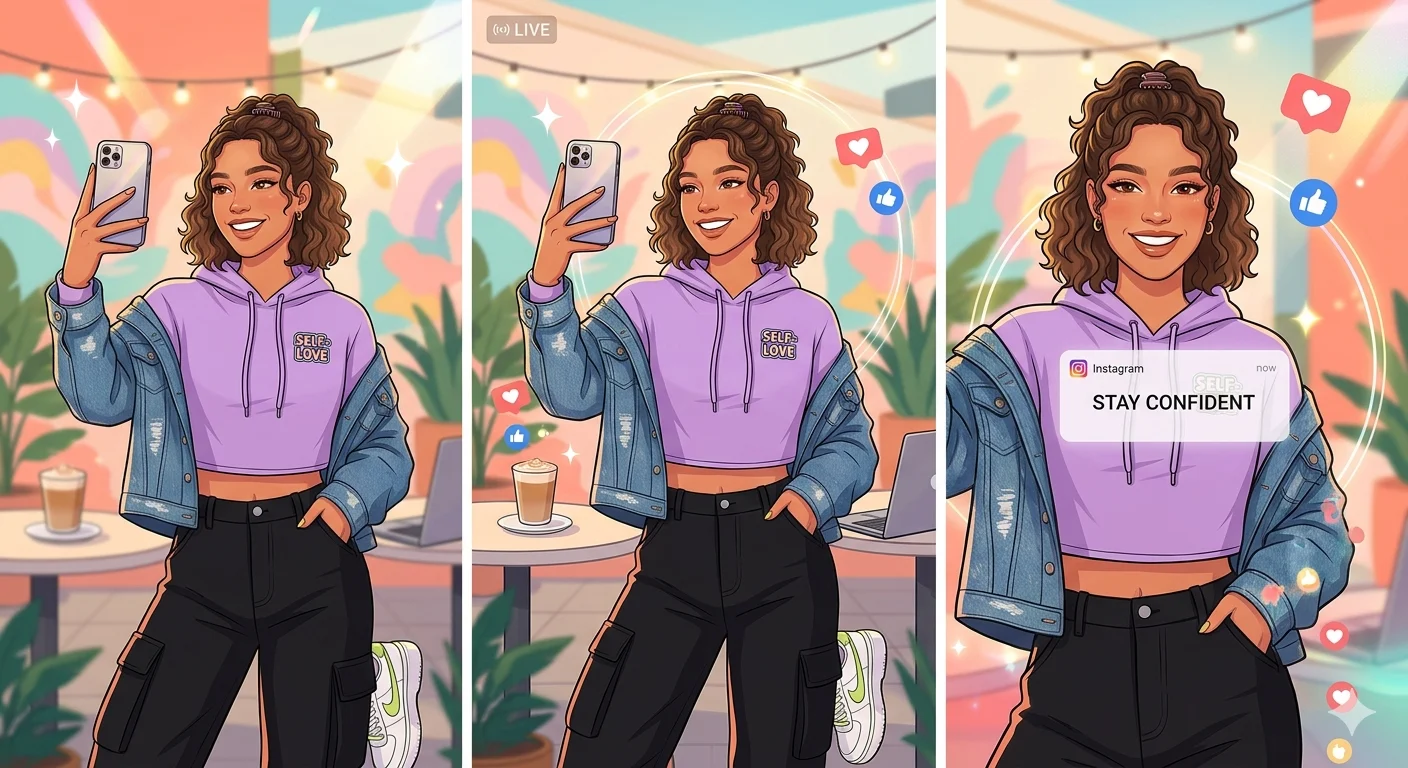
Meaning: A baddie is someone who is confident, stylish, attractive, and self-assured.
Full Form: Baddie is not an acronym and has no full form.
Context: Social media, texting, fashion, beauty, and internet culture.
Tone: Usually positive, complimentary, and empowering.
If you spend time on social media, you’ve probably come across the word “baddie” in captions, comments, videos, or text messages. The term has become extremely popular online, especially on platforms like Instagram and TikTok, where users often use it to describe themselves or others. Because the word sounds similar to “bad,” many people are unsure whether it has a positive or negative meaning.
In modern slang, a baddie is usually someone who is confident, stylish, attractive, and comfortable with who they are. Rather than being an insult, the term is often used as a compliment. Calling someone a baddie typically means you admire their appearance, confidence, fashion sense, or overall attitude.
The word is also closely connected to social media culture, beauty trends, and self-expression. Many influencers and content creators use the term when discussing fashion, makeup, lifestyle, and confidence. Over time, it has become one of the most recognizable slang words on the internet.
However, the meaning of baddie has changed from its traditional use, where it once referred to a villain or bad person in stories. Understanding this difference can help you use the term correctly and understand how it is used in modern online conversations.
What Does Baddie Mean?
Core Meaning
In modern slang, a baddie is a person who is attractive, confident, fashionable, and self-assured. The term is often used as a compliment and usually carries a positive meaning.
A baddie is often viewed as someone who takes pride in their appearance, has strong confidence, and presents themselves with style.
For example:
- “She’s such a baddie.”
- “Look at that outfit. Total baddie.”
In these examples, the word expresses admiration rather than criticism.
Simple Explanation
Simply put, a baddie is someone who looks good, feels confident, and carries themselves with confidence.
The term is often associated with:
- Fashion
- Beauty
- Confidence
- Personal style
- Social media aesthetics
Many people use it to celebrate self-expression and self-confidence.
What Does Baddie Mean in Texting, Slang, and Social Media?
Chat Usage
In text conversations, people often use baddie as a compliment.
Examples:
- “You’re a baddie.”
- “That new profile picture is giving baddie energy.”
- “She’s such a baddie these days.”
The term is usually friendly and supportive.
Social Media Usage
Social media helped make the word baddie extremely popular.
Users commonly use it in:
- Captions
- Hashtags
- Comments
- Fashion posts
- Beauty content
Examples:
- #Baddie
- #BaddieStyle
- #BaddieVibes
- #BaddieAesthetic
Many influencers use the term to describe a confident and fashionable lifestyle.
Gen Z Context
Gen Z users have embraced the term as part of internet culture. For many younger social media users, being a baddie represents confidence, self-expression, and personal empowerment.
The word often appears alongside trends involving:
- Makeup
- Fashion
- Lifestyle content
- Confidence-building messages
Today, it is one of the most recognizable slang terms on social media.
Other Meanings of Baddie
While the modern meaning is usually positive, the word has older meanings as well.
Traditional Meaning
Historically, a baddie referred to a villain or criminal.
Examples:
- “The superhero defeated the baddie.”
- “The movie’s baddie was very intimidating.”
This meaning is still used in entertainment and storytelling.
Modern Slang Meaning
Modern internet culture transformed the word into a compliment.
Today, context usually determines which meaning applies.
For example:
- “She’s a baddie.” = Attractive and confident person.
- “The baddie escaped.” = Villain in a story.
The surrounding conversation makes the meaning clear.
How Baddie Is Used in Real Conversations
People use baddie in many everyday situations.
Compliments
One of the most common uses.
Example:
- “You’re looking like a baddie today.”
Fashion Discussions
People often describe stylish outfits as baddie looks.
Example:
- “That’s a baddie outfit.”
Social Media Posts
Creators use the term in captions.
Example:
- “Serving baddie energy.”
Confidence Conversations
The word can encourage self-confidence.
Example:
- “Be your own baddie.”
In most situations, the term has a positive and supportive tone.
Examples of Baddie Usage
Here are some natural examples of how people use the word:
- “She posted a new photo and looks like a total baddie.”
- “That outfit is giving baddie vibes.”
- “You are such a baddie.”
- “Her confidence makes her a baddie.”
- “I love this baddie aesthetic.”
- “That makeup look is pure baddie energy.”
- “The comments are full of people calling her a baddie.”
- “She transformed her style and became a social media baddie.”
These examples show how the term is commonly used online.
Tone and Intent
The tone of baddie is usually positive.
People often use it to express:
- Admiration
- Respect
- Confidence
- Encouragement
- Appreciation
In many cases, calling someone a baddie is similar to saying:
- Stylish
- Attractive
- Confident
- Impressive
Positive Usage
Most uses are complimentary.
Example:
- “She’s a baddie.”
Sarcastic Usage
Occasionally, people may use the term sarcastically.
Example:
- “Okay, baddie.”
However, this depends entirely on the tone of the conversation.
Origin or Background
Traditional Meaning
The word baddie originally referred to villains or bad characters in stories.
Children’s books, movies, and television shows frequently used the term to describe the antagonist.
Example:
- “The hero defeated the baddie.”
Modern Internet Evolution
As social media evolved, the meaning changed dramatically.
Fashion and beauty communities began using the term to describe highly confident and attractive individuals.
Over time, the word became associated with:
- Stylish appearances
- Trendy fashion
- Makeup culture
- Self-confidence
Platforms like Instagram and TikTok helped spread the modern meaning worldwide.
Today, many people immediately think of confidence and style when they hear the word baddie.
Is Baddie Rude or Inappropriate?
Generally, no.
The term is usually intended as a compliment.
However, context still matters.
Some people may not understand modern slang and could interpret the word based on its older meaning.
When speaking with unfamiliar audiences, it can be helpful to consider whether they understand internet slang.
For most social media and texting situations, baddie is considered harmless and positive.
When NOT to Use Baddie
Although popular online, the term is not appropriate in every situation.
Professional Settings
Avoid using slang in business communication.
Formal Writing
Academic papers and official documents should use standard language.
Workplace Communication
Some colleagues may not understand the slang meaning.
Serious Discussions
The term may seem too casual in formal conversations.
In professional environments, clearer language is usually a better choice.
Similar and Related Slang Terms
Several slang terms have meanings similar to baddie.
Queen
A compliment for someone admired or respected.
Example:
- “You’re a queen.”
Slay
Used when someone looks amazing or performs well.
Example:
- “You slayed that look.”
Icon
Describes someone who is admired or influential.
Example:
- “She’s an icon.”
Boss Babe
Refers to a confident and successful woman.
Hot Girl
Describes someone attractive and confident.
These terms often appear in the same online communities as baddie.
Baddie vs Related Terms
Baddie vs Queen
A baddie emphasizes style and confidence, while queen often highlights admiration and respect.
Baddie vs Slay
Baddie describes a person. Slay describes an action or achievement.
Baddie vs Hot Girl
Both focus on confidence and attractiveness, but baddie often includes a stronger fashion and aesthetic element.
Understanding these differences helps clarify how each term is used.
Comparison Table
| Term | Meaning | Usage | Key Difference |
|---|---|---|---|
| Baddie | Stylish and confident person | Compliment | Focuses on appearance and confidence |
| Queen | Highly admired person | Praise | Emphasizes respect and admiration |
| Slay | To do something exceptionally well | Reaction or compliment | Describes performance rather than identity |
| Hot Girl | Attractive and confident person | Compliment | Focuses more on attractiveness |
Common Misunderstandings
Many people misunderstand the term because of its older meaning.
Common misconceptions include:
- Thinking it always means a bad person
- Assuming it is an insult
- Confusing modern slang with traditional definitions
- Believing it only refers to physical appearance
In reality, the modern slang meaning usually includes confidence, style, attitude, and self-expression.
FAQ Section
What does baddie mean in texting?
It usually refers to someone who is confident, stylish, and attractive.
Is baddie a compliment?
Yes. In modern slang, it is generally considered a compliment.
Can men be called a baddie?
Yes. Although often used for women, the term can be applied to anyone who fits the description.
Is baddie positive or negative?
Most modern uses are positive.
What is a baddie aesthetic?
It refers to a fashion and beauty style associated with confidence, trendy clothing, and polished looks.
Is baddie slang?
Yes. It is a modern slang term widely used online.
Is baddie rude?
Usually not. Most people use it as a compliment.
Where did the term come from?
It originally meant a villain but evolved through internet and social media culture into a positive slang expression.
conclusion
The word baddie has evolved from its traditional meaning of a villain into one of the most popular compliments in modern internet slang. Today, it typically describes someone who is confident, stylish, attractive, and comfortable with who they are.
Whether used in text messages, social media captions, comments, or conversations, the term usually carries a positive and empowering tone. While context always matters, most modern uses of baddie celebrate confidence, fashion, and self-expression. Understanding this meaning can help you better navigate social media culture and modern online communication.