
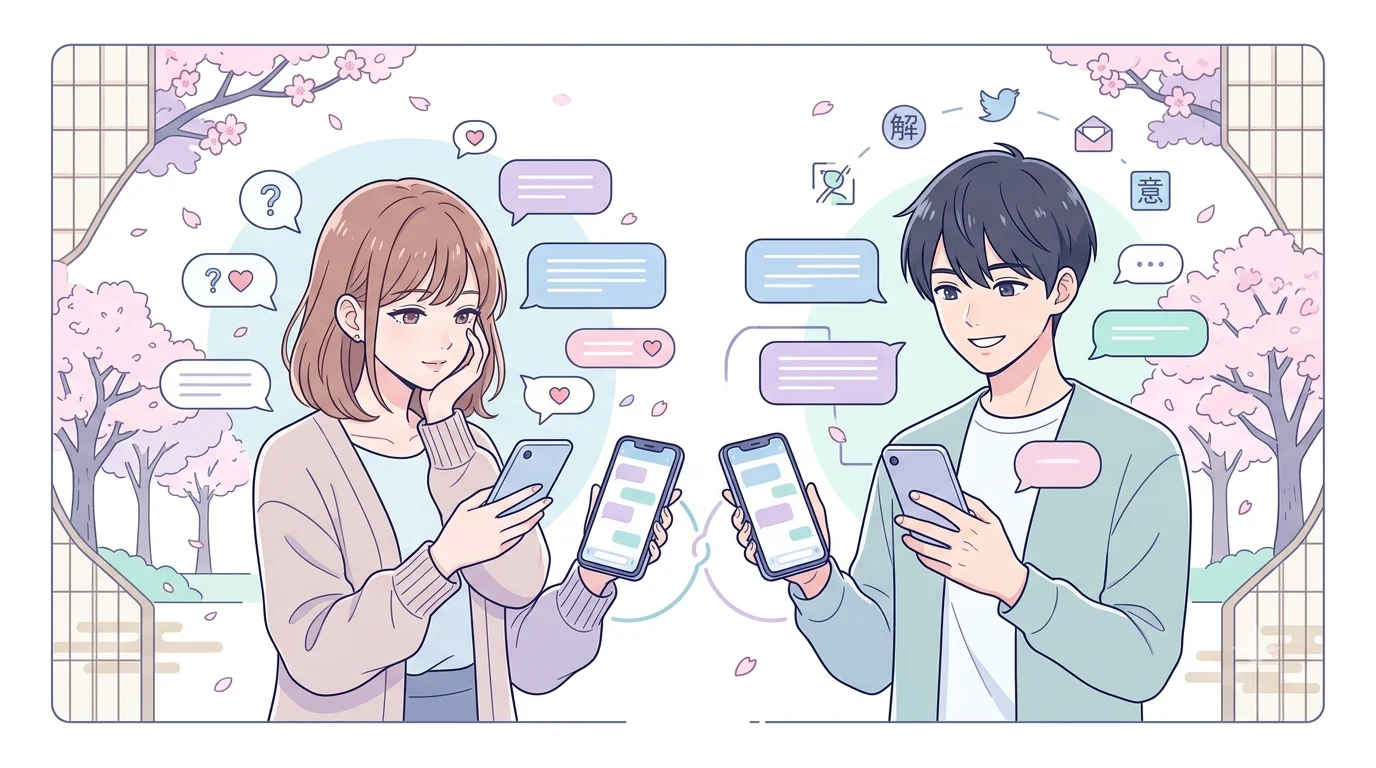
Meaning: “Ara ara” (あらあら) is a Japanese expression that can mean “oh my,” “my, my,” “well, well,” or “oh dear.”
Full Form: It is not an abbreviation. “Ara ara” is a Japanese phrase.
Context: It is commonly heard in Japanese conversations, anime, manga, memes, and online communities.
Tone: The meaning depends on the speaker’s voice and situation. It can sound surprised, gentle, amused, caring, or playful.
If you watch anime, scroll through TikTok, or spend time in online communities, you may have seen the phrase “ara ara” appear in comments, memes, or character dialogues. Many people search for the ara ara meaning because the phrase has become extremely popular outside Japan, especially among anime fans.
The phrase can be confusing because it does not have one exact English translation. Sometimes it means “oh my,” while in other situations it can express surprise, amusement, or a gentle reaction. The tone of voice, facial expression, and situation completely change its meaning.
In Japanese culture, “ara ara” is a natural expression used in everyday situations. However, internet culture and anime have given it additional meanings, making it a popular slang phrase worldwide. This guide explains what ara ara means, how people use it online, where it came from, and why it became such a famous expression in modern internet culture.
What Does Ara Ara Mean?
Core Definition of Ara Ara
“Ara ara” (あらあら) is a Japanese phrase used as a reaction when someone notices something surprising, interesting, unexpected, or amusing. It is similar to English expressions like:
- “Oh my.”
- “My, my.”
- “Well, well.”
- “Oh dear.”
- “Is that so?”
The phrase itself is not a complete sentence. Instead, it works as an emotional response. Japanese speakers may use it when reacting to a situation, a person, or something they find surprising.
For example, if someone sees a child doing something unexpected, they might say “ara ara” in a gentle way. It can show mild surprise without sounding negative.
Simple Explanation of Ara Ara
The easiest way to understand ara ara meaning is to think of it as a soft reaction phrase. It is similar to saying “oh wow” or “look at that” in English.
The meaning changes based on:
- The speaker’s tone
- The situation
- The relationship between people
- The emotion behind the words
A cheerful “ara ara” and a sarcastic “ara ara” can feel completely different.
What Does Ara Ara Mean in Anime, Texting, and Social Media?
Ara Ara Meaning in Anime Culture
Anime played a major role in making “ara ara” famous around the world. Many anime characters use the phrase with a calm, mature, or teasing personality.
Fans often associate “ara ara” with characters who appear:
- Elegant
- Confident
- Caring
- Playfully teasing
- Older or more mature
Because of anime storytelling, many international fans recognize “ara ara” as a phrase connected with a certain character style. However, the anime version is often more exaggerated than normal Japanese conversation.
In real Japanese speech, the phrase is much more ordinary and does not always carry the dramatic meaning shown in anime.
Ara Ara in Internet Slang and Memes
Online communities have transformed “ara ara” into a popular meme expression. People often use it in comments when reacting to something surprising, funny, or slightly playful.
Examples of online usage include:
- Reacting to an unexpected photo
- Commenting on a funny video
- Joking with friends
- Referencing anime culture
On platforms like TikTok, Reddit, Discord, and Twitter, users sometimes use “ara ara” because they enjoy the anime-style feeling connected with the phrase.
Ara Ara and Gen Z Internet Culture
Many younger internet users use “ara ara” as a humorous reference rather than a serious Japanese phrase. Some people use it simply because they recognize it from anime or memes.
For Gen Z online culture, “ara ara” can represent:
- A playful reaction
- A funny anime reference
- A dramatic response
- A meme-style expression
The meaning often depends more on internet culture than traditional Japanese usage.
Other Meanings and Uses of Ara Ara
Although “ara ara” is strongly connected with anime today, it has several natural meanings in Japanese.
Expressing Surprise
Someone may say “ara ara” when something unexpected happens.
Example:
A person finds an old photo and says:
“Ara ara, I didn’t know this was still here.”
Meaning:
“Oh my, I didn’t know this was still here.”
Showing Mild Concern
The phrase can also show gentle concern.
Example:
“Ara ara, are you okay?”
Meaning:
“Oh dear, are you okay?”
Showing Amusement
A person may use it when they find something funny or interesting.
Example:
“Ara ara, look what happened.”
Meaning:
“Well, well, look at that.”
Playful Teasing
In anime and internet culture, the phrase is often used with a teasing feeling.
However, this meaning mostly comes from fictional characters and online jokes rather than everyday Japanese speech.
How Ara Ara Is Used in Real Conversations
The phrase can appear in different situations depending on the speaker and context.
Everyday Japanese Conversations
A Japanese speaker may use “ara ara” as a simple reaction.
Example:
“Ara ara, it started raining.”
Meaning:
“Oh my, it started raining.”
Anime Discussions
Fans may use the phrase when talking about characters known for saying it.
Example:
“That character always says ara ara.”
Social Media Comments
Users may comment:
“Ara ara 👀”
to show surprise or playful interest.
Meme Culture
Online users often use it as a humorous reaction rather than focusing on the original Japanese meaning.
Examples of Ara Ara Usage
Here are some natural examples:
- “Ara ara, you finished the whole project already?”
- “Ara ara, what a beautiful picture.”
- “Ara ara, someone looks very confident today.”
- “Ara ara, I didn’t expect to see you here.”
- “Ara ara, that was an interesting choice.”
- “Ara ara 👀 This conversation just got interesting.”
- “The anime character said ara ara, and everyone recognized the reference.”
- “People use ara ara online as a funny reaction meme.”
Tone and Intent Behind Ara Ara
Is Ara Ara Positive, Negative, or Neutral?
The phrase itself is mostly neutral. It does not automatically express happiness or negativity.
The feeling comes from:
- Voice
- Facial expression
- Situation
It can sound:
- Friendly
- Surprised
- Caring
- Amused
- Playful
Playful, Teasing, or Serious Meaning
In anime and internet culture, people often associate “ara ara” with playful teasing. This is why many people connect it with confident or charming characters.
However, the phrase can also be completely normal and innocent in everyday Japanese.
The same words can create different feelings depending on how they are said.
Origin and Background of Ara Ara
“Ara” is a Japanese interjection used to express surprise or reaction. Repeating it as “ara ara” creates a softer and more expressive feeling.
The phrase became globally famous because of:
- Japanese anime
- Manga
- Online communities
- Fan culture
- Social media memes
As anime gained worldwide popularity, many Japanese expressions became common among international fans. “Ara ara” became one of the most recognizable examples.
Is Ara Ara Rude or Inappropriate?
No, “ara ara” is not a rude phrase by itself. It is a normal Japanese expression.
However, online culture sometimes gives words additional meanings. Because anime and memes often exaggerate the phrase, some people may misunderstand it.
Using “ara ara” respectfully is usually fine, especially when discussing anime or internet culture.
The important thing is understanding the context.
When Should You Not Use Ara Ara?
There are situations where using “ara ara” may not feel natural.
Avoid using it:
- In formal business conversations
- When speaking Japanese without understanding the context
- As a replacement for every reaction
- To imitate stereotypes about Japanese culture
Learning the meaning is helpful, but using Japanese phrases naturally requires understanding cultural context.
Similar and Related Japanese Expressions
Yare Yare
Meaning: “Good grief” or “well, well.”
Difference:
- Often expresses annoyance or tiredness.
- More commonly linked with frustration.
Nani
Meaning: “What?”
Difference:
- Used for confusion or surprise.
Sugoi
Meaning: “Amazing” or “great.”
Difference:
- Expresses admiration.
Kawaii
Meaning: “Cute.”
Difference:
- Describes something adorable.
Senpai
Meaning: “Senior” or someone with more experience.
Difference:
- Refers to a relationship, not a reaction.
Ara Ara vs Related Terms Comparison
| Term | Meaning | Usage | Key Difference |
|---|---|---|---|
| Ara Ara | Oh my, well, well | Reaction to situations | Soft surprise or amusement |
| Yare Yare | Good grief | Frustration or tired reaction | More negative feeling |
| Nani | What? | Confusion or surprise | Asking for clarification |
| Sugoi | Amazing | Praise or excitement | Shows admiration |
| Kawaii | Cute | Describing something adorable | Descriptive expression |
Common Misunderstandings About Ara Ara
One common misunderstanding is that “ara ara” always has a flirty meaning. This idea mainly comes from anime and internet memes.
Another mistake is assuming every Japanese person uses the phrase the same way. Like English expressions, meaning depends on personality and situation.
Some people also think it is a slang word created by the internet. In reality, it comes from the Japanese language and existed before becoming an online trend.
Frequently Asked Questions About Ara Ara
What does ara ara mean in English?
Ara ara can mean “oh my,” “my, my,” “well, well,” or “oh dear.”
Is ara ara an anime word?
Not exactly. It is a Japanese expression that became popular worldwide through anime and internet culture.
Is ara ara flirting?
Sometimes internet users use it in a teasing or playful way, but the phrase itself does not always mean flirting.
How do you pronounce ara ara?
It is pronounced like “ah-rah ah-rah.”
Is ara ara Japanese slang?
No. It is a Japanese expression, although online communities often use it as slang.
Why is ara ara popular?
Anime, memes, and social media helped spread the phrase globally.
Can anyone say ara ara?
Yes, but it is best used when you understand the context and cultural meaning.
conclusion
The ara ara meaning is simple but depends heavily on context. In Japanese, it is a reaction phrase that can express surprise, amusement, or gentle concern. Online, especially in anime and meme communities, it has gained a playful and sometimes teasing reputation.
The phrase became popular worldwide because of Japanese entertainment and internet culture. While anime often gives “ara ara” a dramatic personality, its original use is much more natural and everyday.
Understanding the tone behind the phrase is the best way to use it correctly. Whether you see it in a conversation, anime scene, or social media comment, remember that “ara ara” is all about the feeling behind the words.