
Meaning: FOMO stands for “Fear Of Missing Out.” It describes the feeling of worry, anxiety, or excitement that you might miss a fun experience, important opportunity, trend, or event.
Full Form: FOMO = Fear Of Missing Out
Context: FOMO is commonly used in texting, social media conversations, online trends, friendships, shopping, work opportunities, and everyday decisions.
Tone: The tone can be serious, funny, casual, or emotional depending on how someone uses it.
The internet has introduced thousands of new words and abbreviations, but some terms describe feelings that almost everyone experiences. FOMO is one of the most popular examples.
If you have seen someone write “I have FOMO” in a text message, Instagram caption, TikTok comment, or online discussion, you may wonder what it actually means. The abbreviation is simple, but the emotion behind it is deeper.
FOMO means “Fear Of Missing Out.” It describes the feeling you get when you worry that other people are enjoying something exciting without you. It can happen when friends attend a party, when a new trend becomes popular, when a product sells quickly, or when others achieve something you want.
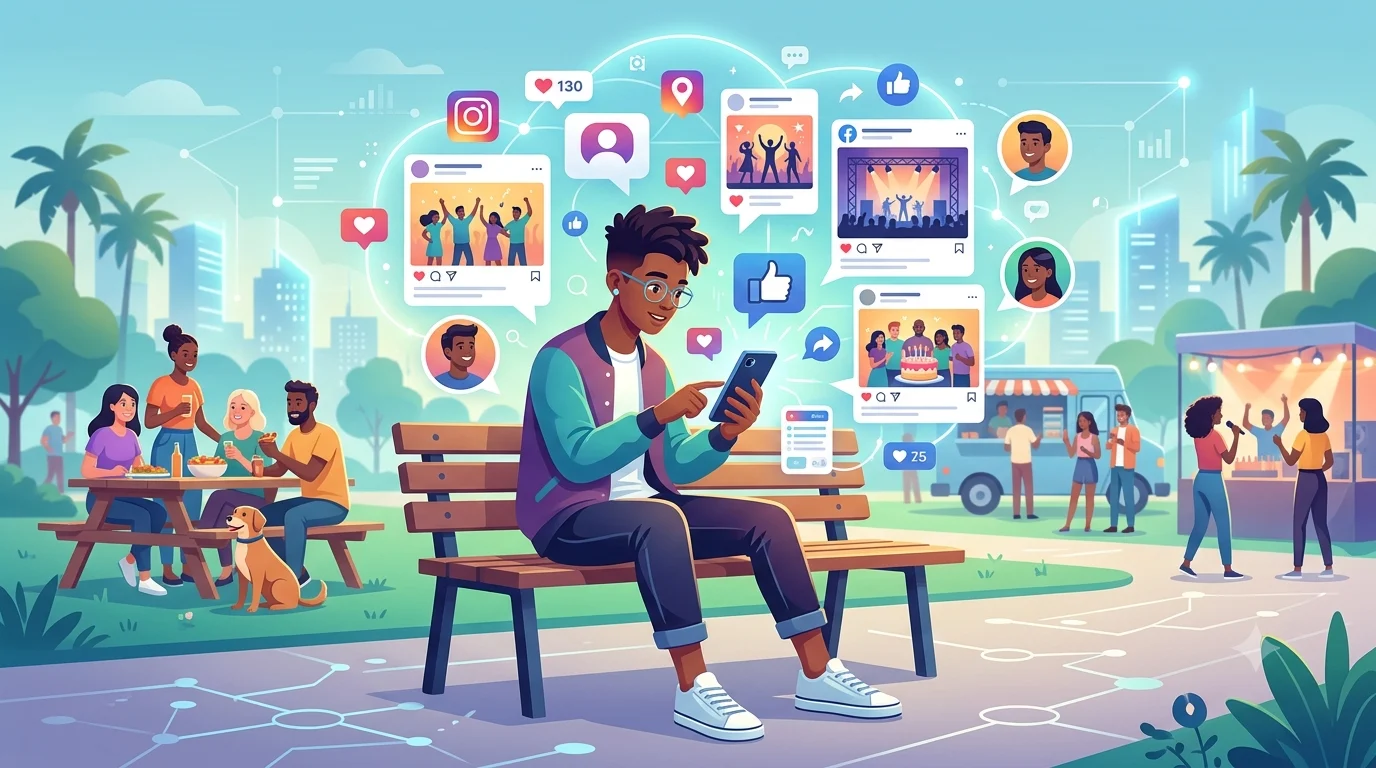
Social media has made FOMO even more common because people constantly share highlights of their lives online. Seeing vacations, celebrations, achievements, and viral trends can make people feel like they are missing important moments.
This guide explains the complete FOMO meaning, how people use it in texting and social media, real-life examples, related terms, and why this internet slang became such a common part of modern communication.
What Does FOMO Mean?
Core Definition of FOMO
FOMO stands for Fear Of Missing Out.
It refers to the feeling that you might miss an exciting opportunity, memorable experience, social event, or important moment that others are enjoying.
For example:
- Your friends go to a concert without you.
- Everyone is talking about a new trend.
- A limited product is selling out.
- Your coworkers attend an event you missed.
The thought of being left out can create curiosity, stress, or a strong desire to participate.
Simple Explanation of FOMO
In simple words, FOMO means:
“I don’t want to miss something important while everyone else is enjoying it.”
It is a natural human feeling connected to belonging and being part of a group.
Examples:
- “Everyone is watching that new show, and I feel FOMO.”
- “I almost skipped the trip, but my FOMO made me go.”
- “That sale created major FOMO because everything was limited.”
What Does FOMO Mean in Texting, Slang, and Social Media?
FOMO in Text Messages
In texting, people use FOMO as a quick way to describe their feelings.
Instead of writing:
“I feel worried that I am missing out on something fun.”
People simply write:
“I have FOMO.”
It is common in conversations between friends discussing plans, events, vacations, or social activities.
Example:
Friend 1: “We’re all going out tonight.”
Friend 2: “Now I have serious FOMO.”
Here, the person means they wish they could join.
FOMO on Social Media Platforms
Social media is one of the biggest reasons FOMO became popular.
Platforms like Instagram, TikTok, Snapchat, and Facebook allow people to see what others are doing instantly.
Seeing:
- Luxury vacations.
- Parties.
- New trends.
- Career achievements.
- Relationship updates.
- Viral challenges.
can create the feeling that everyone else is experiencing something exciting.
Many people experience FOMO after scrolling through social media because they compare their everyday life with other people’s best moments.
Gen Z and Modern Internet Culture
Among younger generations, especially Gen Z, FOMO has become a common way to describe social pressure and online experiences.
People use it when talking about:
- Viral trends.
- Concerts.
- Influencer culture.
- New apps.
- Fashion styles.
- Popular challenges.
For many users, FOMO is not only about missing events. It can also describe the fear of being disconnected from what everyone else is discussing.
Other Meanings of FOMO
The main and widely accepted meaning of FOMO is:
Fear Of Missing Out
Unlike some abbreviations, FOMO does not have many common alternative meanings.
However, some companies, brands, or organizations may create their own meanings for the letters FOMO. These uses are usually specific to a particular industry or group.
In everyday internet conversations, texting, and social media, FOMO almost always refers to the fear of missing out.
How FOMO Is Used in Real Conversations
FOMO About Social Events
One of the most common uses of FOMO involves parties, gatherings, and experiences.
Example:
“My friends are going on a beach trip, and I have major FOMO.”
The person feels disappointed because they cannot join.
FOMO About Shopping and Trends
Brands often create urgency through limited-time offers, which can trigger FOMO.
Examples:
- A product selling out quickly.
- A limited edition release.
- A special discount ending soon.
People may buy something because they fear missing the opportunity.
Example:
“I wasn’t planning to buy those shoes, but the limited stock gave me FOMO.”
FOMO About Career Opportunities
FOMO is also used in professional situations.
Someone might feel it when:
- Others get promotions.
- People attend networking events.
- Friends start successful businesses.
Example:
“Seeing everyone build online businesses gave me FOMO, so I started learning new skills.”
Examples of FOMO Used in Conversations
Here are natural examples showing how people use FOMO:
- Friend Conversation:
“Everyone is going to the party, and now I have FOMO.”Meaning: The person feels left out. - Social Media Comment:
“This vacation looks amazing. Total FOMO.”Meaning: The person wishes they could experience it. - Shopping Discussion:
“The sale ends tonight, and my FOMO is kicking in.”Meaning: They feel pressure to buy before missing the deal. - Gaming Community:
“I missed the event update and got serious FOMO.”Meaning: They regret missing something in the game. - Work Conversation:
“Everyone attended the conference except me. Major FOMO.”Meaning: They feel they missed an important opportunity. - Friend Group Chat:
“Send pictures. My FOMO is real right now.”Meaning: They want to see what they missed. - Trend Discussion:
“I finally tried that viral trend because of FOMO.”Meaning: They joined because everyone else was doing it.
Tone and Intent Behind FOMO
Emotional Meaning
FOMO is strongly connected to emotions.
It can represent:
- Curiosity.
- Excitement.
- Anxiety.
- Regret.
- Desire to belong.
- Fear of being excluded.
The feeling is different for everyone. Some people experience FOMO as motivation, while others find it stressful.
Positive, Negative, or Neutral Usage
FOMO can have both positive and negative effects.
Positive examples:
- Encouraging someone to try new experiences.
- Motivating people to participate.
- Helping people discover new opportunities.
Negative examples:
- Creating unnecessary pressure.
- Causing unhealthy comparison.
- Making people feel behind others.
The word itself is neutral. The situation determines whether it feels positive or negative.
Serious vs Sarcastic Use
People often use FOMO jokingly.
Example:
“I bought another coffee because my FOMO told me everyone else was trying it.”
This does not describe serious anxiety. It is a humorous way of saying they wanted to join a trend.
Origin and Background of FOMO
Where the Term Came From
The phrase “Fear Of Missing Out” existed before it became internet slang.
The concept describes a basic human feeling: the desire to stay connected and avoid being excluded.
The abbreviation FOMO became widely popular in the early 2010s as social media usage increased.
Internet and Social Media Growth
Social media played a major role in spreading the term.
Before platforms like Instagram and TikTok became popular, people had fewer opportunities to see what others were doing.
Today, constant updates make it easier to compare experiences, which has made FOMO a common part of online conversations.
Is FOMO Rude or Inappropriate?
No, FOMO is not rude or offensive.
It is a casual expression used to describe a feeling.
However, people should use it thoughtfully because constantly encouraging FOMO can sometimes create pressure or make others feel excluded.
For example, saying:
“Everyone was there except you.”
may make someone feel uncomfortable, even if it is connected to FOMO.
When Not to Use FOMO
Formal Communication
FOMO is mostly informal internet slang.
In professional emails, academic writing, or official documents, it is usually better to write the full phrase or explain the feeling.
Instead of:
“The customer purchased because of FOMO.”
A more formal version could be:
“The customer purchased due to a fear of missing the opportunity.”
Wrong Contexts
Avoid using FOMO when your audience may not understand internet slang.
Older audiences or professional settings may prefer clearer language.
Similar and Related Slang Terms
JOMO
Meaning: Joy Of Missing Out.
JOMO is the opposite of FOMO. It describes feeling happy and relaxed about skipping events or trends.
YOLO
Meaning: You Only Live Once.
YOLO encourages people to take chances and enjoy experiences.
FOBO
Meaning: Fear Of Better Options.
It describes difficulty making decisions because something better might appear later.
Trend Anxiety
This describes stress caused by trying to keep up with popular trends.
FOMO vs Related Terms
| Term | Meaning | Usage | Key Difference |
|---|---|---|---|
| FOMO | Fear Of Missing Out | Social media, events, trends | Fear of being left out |
| JOMO | Joy Of Missing Out | Lifestyle discussions | Happiness from skipping things |
| YOLO | You Only Live Once | Motivation and decisions | Encourages taking action |
| FOBO | Fear Of Better Options | Choices and decisions | Worry about choosing incorrectly |
| Trend Anxiety | Stress about trends | Online culture | Pressure to keep up |
Common Misunderstandings About FOMO
Many people misunderstand FOMO and think it only relates to parties or social events.
In reality, FOMO can apply to many areas of life, including:
- Career growth.
- Shopping.
- Relationships.
- Travel.
- Entertainment.
- Online trends.
Another common misunderstanding is believing FOMO is always negative.
Some people use FOMO positively as motivation to explore new opportunities.
Frequently Asked Questions About FOMO
What does FOMO stand for?
FOMO stands for Fear Of Missing Out.
What does FOMO mean in texting?
In texting, FOMO means feeling worried or disappointed about missing an experience, event, or opportunity.
Is FOMO a bad thing?
FOMO is not always bad. It can encourage people to try new things, but too much FOMO can create stress.
Why do people experience FOMO?
People experience FOMO because humans naturally want connection, inclusion, and meaningful experiences.
What is the opposite of FOMO?
The opposite of FOMO is JOMO, which means Joy Of Missing Out.
How do you use FOMO in a sentence?
Example:
“I had FOMO after seeing everyone’s concert photos.”
Is FOMO only related to social media?
No. FOMO can happen in real life situations involving events, opportunities, shopping, and personal decisions.
conclusion
The FOMO meaning is simple: Fear Of Missing Out. It describes the feeling of worry or excitement that you might miss something valuable, fun, or important while others experience it.
People use FOMO in texting, social media posts, conversations, and everyday situations. Whether it is about a party, a viral trend, a product launch, or a career opportunity, FOMO explains the desire to stay connected and involved.
Understanding FOMO helps you recognize modern internet conversations and the emotions behind them. While it can encourage people to explore new experiences, maintaining balance is important so that the fear of missing out does not control your choices.