
| Category | Meaning |
|---|---|
| Main Meaning | A shortened version of “Aww” |
| Context | Texting, social media, online chats |
| Tone | Affectionate, sympathetic, positive |
| Common Use | Reacting to something sweet, cute, kind, or emotional |
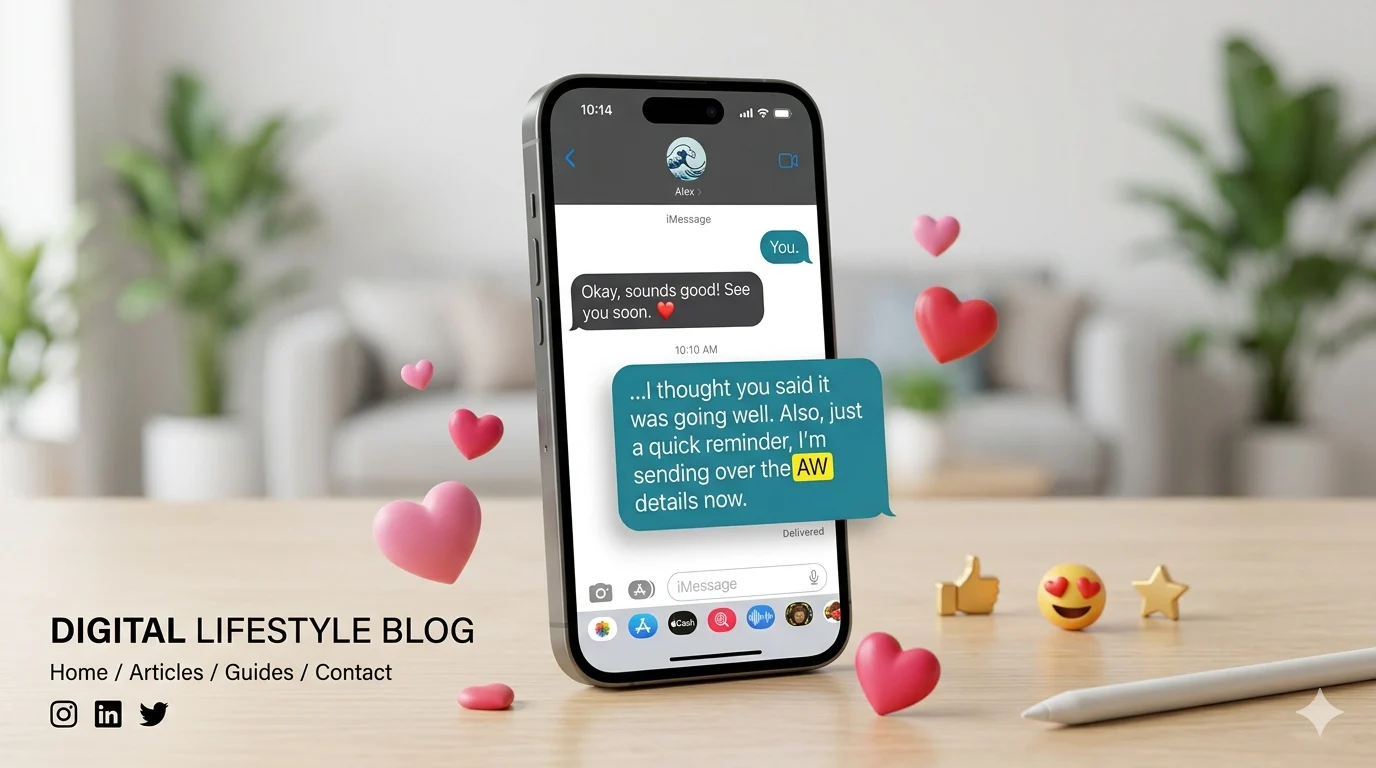
If you’ve come across the abbreviation AW in a text message, social media comment, or online chat, you may be wondering what it means. Many people search for the AW meaning because the term is short, informal, and can have different interpretations depending on the situation. While it may seem like a modern internet slang term, AW is most commonly used as a shortened version of “Aww,” an expression people use when reacting to something cute, sweet, heartwarming, or emotional.
In today’s digital world, abbreviations help people communicate quickly. Instead of typing a full reaction, users often shorten words and expressions to save time. As a result, AW has become a common response on platforms such as Instagram, TikTok, Facebook, Snapchat, and text messaging apps. You might see it used when someone shares a cute pet photo, an inspiring story, a romantic message, or a kind gesture.
However, AW does not always mean “Aww.” In some professional, educational, or technical contexts, it can have completely different meanings. Understanding the context is essential for interpreting the term correctly. In this guide, you’ll learn what AW means, how it’s used in texting and social media, alternative definitions, examples, and the best ways to use it in everyday communication.
What Does AW Mean?
The most common meaning of AW is an abbreviated version of “Aww.”
People use it when they see or hear something that makes them feel emotionally touched, happy, sympathetic, or affectionate. It is essentially an emotional reaction rather than a complete word.
For example:
Person 1: “My puppy fell asleep on my lap.”
Person 2: “AW, that’s adorable!”
In this example, AW expresses affection and appreciation for something cute.
Unlike many internet abbreviations that stand for multiple words, AW usually functions as an emotional response. It often appears when users type quickly and choose to shorten “Aww” into “AW.”
What Does AW Mean in Texting, Slang, and Social Media?
In texting and online communication, AW is commonly used as a reaction to something sweet or emotional.
Someone may use it after seeing:
- Cute pet photos
- Baby pictures
- Romantic messages
- Kind gestures
- Emotional stories
- Heartwarming videos
For example:
Friend: “My grandfather saved every birthday card I ever gave him.”
You: “AW, that’s so sweet.”
On social media platforms such as Instagram, TikTok, Facebook, Snapchat, and X, users often comment “AW” under posts that make them smile or feel emotional.
Example:
“My daughter took her first steps today!”
Comment: “AW! Congratulations!”
In Gen Z culture and online communities, AW serves the same purpose as AWW. The shorter spelling simply saves time when typing.
Other Meanings of AW
Although AW usually means “Aww” in casual conversations, it can have several alternative meanings.
Actual Weight
In shipping and logistics, AW may stand for Actual Weight.
Example:
“The AW of the package is 15 pounds.”
Administrative Worker
Some organizations use AW as shorthand for Administrative Worker.
Example:
“Please forward the document to the AW department.”
Annual Wage
In employment and financial discussions, AW may refer to Annual Wage.
Example:
“The company’s average AW increased this year.”
Academic Writing
Educational institutions sometimes use AW as an abbreviation for Academic Writing.
Other Industry-Specific Meanings
Many industries create their own abbreviations. Therefore, the meaning of AW may vary depending on the environment.
In casual texting, however, the emotional meaning remains the most common interpretation.
How AW Is Used in Real Conversations
In Casual Text Messages
People often use AW when reacting to positive or emotional news.
Example:
“My cat finally came home after being missing for two days.”
“AW, that’s wonderful!”
On Social Media
Users frequently leave AW in comments.
Example:
“We just adopted a rescue puppy.”
“AW, he’s adorable!”
In Group Chats
Friends use AW to express support and warmth.
Example:
“My little brother graduated today.”
“AW, congratulations to him!”
In Workplace Communication
The emotional version of AW is uncommon in formal workplace communication. However, industry-specific meanings may appear in reports or documents.
Examples of AW in Everyday Use
Here are some natural examples of how people use AW:
- AW, that baby is so cute!
- AW, thank you for thinking of me.
- AW, that’s the sweetest thing I’ve heard all day.
- AW, your dog looks so happy.
- AW, I’m glad everything worked out.
- AW, that’s such a thoughtful gift.
- AW, congratulations on your engagement!
- AW, that story made my day.
In each example, AW communicates a positive emotional reaction.
Tone and Intent
The meaning behind AW depends largely on tone and context.
Positive Tone
Most uses of AW are positive.
Example:
“AW, that’s amazing news!”
Affectionate Tone
People often use AW when expressing care or fondness.
Example:
“AW, I missed you too.”
Sympathetic Tone
AW can also express compassion.
Example:
“AW, I’m sorry that happened to you.”
Playful Tone
Sometimes AW is used jokingly among friends.
Example:
“AW, look who’s finally awake before noon!”
Neutral Professional Tone
Industry-specific meanings of AW may carry no emotional tone at all.
Origin and Background
AW comes from the expression “Aww.”
The word Aww has been used for generations as an emotional reaction to something touching or adorable. As texting and instant messaging became popular, users began shortening words and expressions to type more quickly.
This led some people to use AW instead of AWW.
Unlike many internet abbreviations that emerged recently, AW evolved naturally from an existing spoken expression. It reflects how digital communication often favors speed and convenience.
Today, both spellings are widely understood online.
Is AW Rude or Inappropriate?
No. AW is generally considered polite, friendly, and positive.
Most people interpret it as a kind or supportive reaction. It is commonly used among friends, family members, and social media users.
However, context still matters.
For example:
Appropriate:
“AW, that’s wonderful news!”
Potentially awkward:
Using AW during a serious business discussion.
The expression itself is harmless, but it may seem out of place in highly formal situations.
When NOT to Use AW
Although AW works well in casual communication, there are situations where it should be avoided.
Formal Business Emails
Professional emails usually require clear language rather than emotional reactions.
Academic Writing
Research papers and academic assignments should avoid informal abbreviations.
Legal Documents
Legal communication requires precision and professionalism.
Official Reports
Formal reports generally do not include conversational expressions like AW.
When communicating professionally, complete words and sentences are usually more appropriate.
Similar and Related Slang Terms
Several internet expressions serve a similar purpose.
AWW
The full version of AW.
OMG
An expression of surprise or excitement.
LOL
Used to indicate laughter.
IKR
Means “I Know, Right?”
OOF
Expresses sympathy, discomfort, or disappointment.
These terms often appear alongside AW in online conversations.
AW vs Related Terms
AW vs AWW
Both have nearly identical meanings.
AW: Shortened version.
AWW: More common and often appears more expressive.
AW vs OMG
AW expresses affection or sympathy.
OMG expresses surprise or shock.
Example:
AW: “That’s adorable.”
OMG: “I can’t believe it!”
AW vs LOL
AW focuses on emotional warmth.
LOL focuses on humor.
Example:
AW: “That’s so sweet.”
LOL: “That’s hilarious.”
Comparison Table
| Term | Meaning | Usage | Key Difference |
|---|---|---|---|
| AW | Short form of Aww | Cute or emotional reactions | Shortened spelling |
| AWW | Expression of affection | Heartwarming content | More common spelling |
| OMG | Oh My God | Surprise or excitement | Focuses on shock |
| LOL | Laugh Out Loud | Humor and laughter | Focuses on amusement |
| IKR | I Know, Right? | Agreement | Expresses shared opinion |
Common Misunderstandings About AW
One common misunderstanding is assuming AW always means AWW. While this is usually true in texting, certain professional industries use AW differently.
Another misconception is believing AW is a formal abbreviation. In most online conversations, it is simply an emotional reaction.
Some users also confuse AW with other internet abbreviations because it is so short. Looking at the surrounding conversation usually reveals the intended meaning.
For example:
“AW, your puppy is adorable.”
Clearly refers to affection.
“The AW of the shipment is 20 kilograms.”
Clearly refers to Actual Weight.
Context is the key to understanding the correct meaning.
Frequently Asked Questions
What does AW mean in texting?
In texting, AW usually means a shortened version of “Aww,” expressing affection, sympathy, or appreciation.
Is AW the same as AWW?
Yes. AW and AWW generally have the same meaning, though AWW is more common.
What does AW mean on social media?
It is often used as a reaction to cute, emotional, or heartwarming content.
Is AW considered slang?
It is more of an internet expression than traditional slang.
Can AW be used in professional communication?
The emotional version is best avoided in formal communication.
Is AW positive or negative?
It is usually positive and supportive.
Why do people type AW instead of AWW?
Many people shorten words while texting to save time.
Does AW have multiple meanings?
Yes. It can mean Aww, Actual Weight, Administrative Worker, Annual Wage, and other things depending on context.
Is AW popular among Gen Z?
Yes. Gen Z frequently uses both AW and AWW in online conversations.
How can I tell which meaning is correct?
Look at the context of the conversation. The surrounding words usually make the intended meaning obvious.
conclusion
The most common AW meaning in texting, chat, and social media is a shortened version of “Aww,” an expression used to show affection, sympathy, appreciation, or emotional warmth. People often use it when responding to cute photos, heartwarming stories, kind gestures, and positive news.
Although AW can also represent professional or technical terms such as Actual Weight or Administrative Worker, the emotional meaning is far more common in everyday online conversations. Understanding the context will help you interpret the abbreviation correctly and use it naturally in your own messages. Whether you see it in a text, social media comment, or chat conversation, AW is usually a simple way of saying, “That’s sweet,” “That’s adorable,” or “That touched my heart.”