
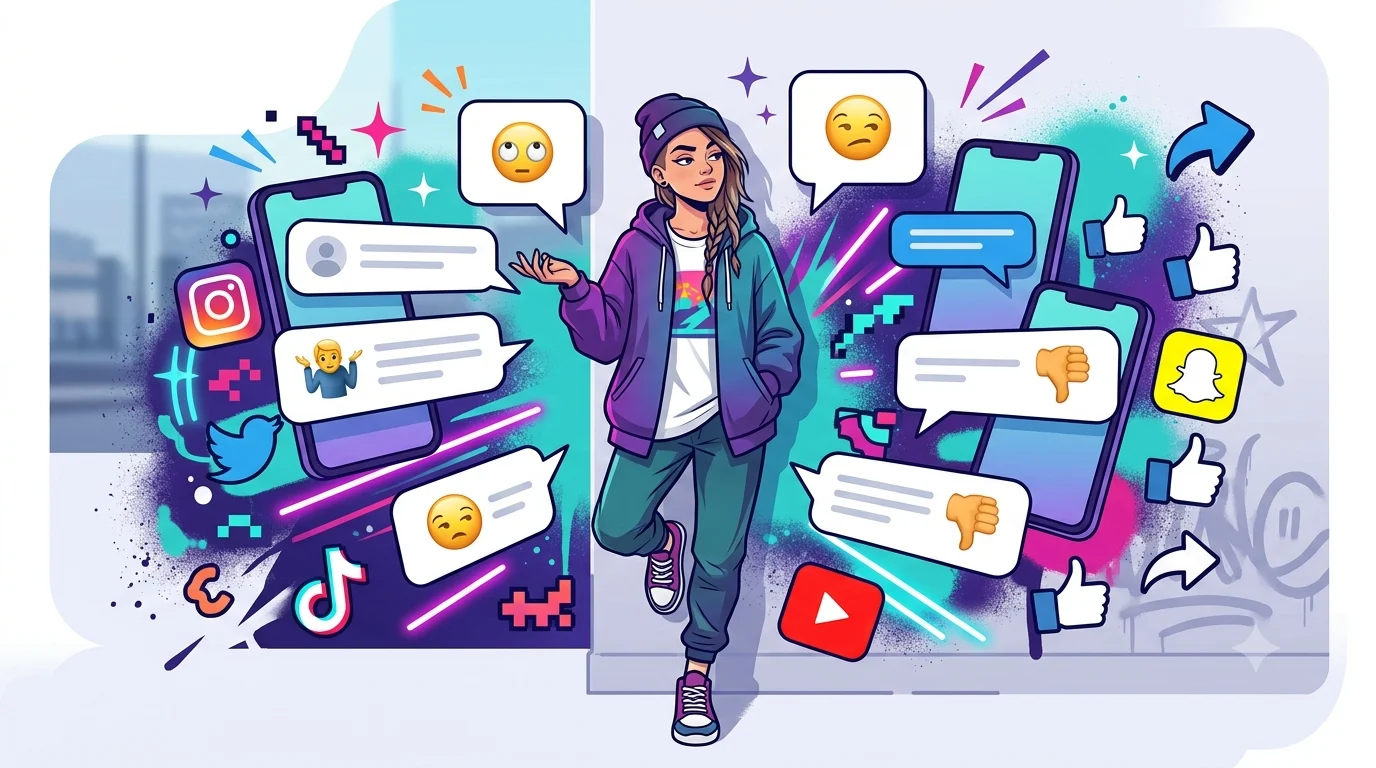
Meaning: IDGAF means “I Don’t Give A F*.”**
Full Form:
IDGAF = I Don’t Give A F***
Context:
IDGAF is an internet slang abbreviation used in texting, social media, memes, and casual conversations to show that someone does not care about a situation, opinion, criticism, or outcome.
Tone:
The tone can be confident, funny, sarcastic, rebellious, or rude depending on the situation.
If you have seen IDGAF in a text message, Instagram caption, TikTok comment, or online conversation, you may wonder what it means. This abbreviation is common in internet culture, but its strong language can make it confusing for people who are unfamiliar with online slang.
IDGAF is usually used to express a feeling of not caring about something. A person might use it when they want to show confidence, ignore criticism, reject someone’s opinion, or simply say that something does not matter to them.
The phrase appears frequently in social media posts, memes, music lyrics, and casual chats. Many people use it as part of an “IDGAF attitude,” which often represents independence, confidence, or refusing to worry about what others think.
However, the meaning is not always positive. Depending on the situation, IDGAF can also sound disrespectful, aggressive, or careless. Understanding the context is important before using it.
This guide explains the IDGAF meaning, its use in texting and social media, examples, similar slang terms, and when you should or should not use this expression.
What Does IDGAF Mean?
Core Definition of IDGAF
IDGAF stands for “I Don’t Give A F*.”**
It is a slang abbreviation that expresses a complete lack of concern or interest. When someone says IDGAF, they are saying that something does not bother them or that they do not care about another person’s opinion, situation, or expectation.
For example:
“People can judge me. IDGAF.”
This means:
“I do not care if people judge me.”
The phrase is much stronger than simply saying “I don’t care.” The added profanity makes it more emotional and direct.
Simple Meaning in Everyday Language
In normal words, IDGAF means:
- I don’t care.
- It does not bother me.
- Your opinion does not affect me.
- I am not worried about it.
The exact feeling depends on the speaker. Someone might use it to show confidence, while another person might use it because they are angry or frustrated.
Examples:
- “They don’t like my style, but IDGAF.”
- Meaning: I like my style and do not care about their opinion.
- “You can complain all you want, IDGAF.”
- Meaning: I am ignoring your complaints.
What Does IDGAF Mean in Texting, Slang, and Social Media?
IDGAF Meaning in Chat Messages
In texting, IDGAF is used as a quick way to express a strong reaction. People often use abbreviations online because they save time and communicate emotions quickly.
Examples:
Friend: “Everyone is talking about your mistake.”
Reply: “IDGAF.”
Meaning:
“I do not care what they say.”
Another example:
Friend: “Are you worried about what people think?”
Reply:
“Honestly, IDGAF.”
Meaning:
“I am not concerned about other people’s opinions.”
Because the phrase contains offensive language, it is usually limited to casual conversations with people who understand the speaker’s style.
IDGAF on Instagram, TikTok, Twitter, and Other Platforms
On social media, IDGAF is often used as a caption, comment, or hashtag-style expression.
People may use it to create a bold personality or confident image.
Examples:
- A selfie caption:
“New look, IDGAF what anyone says.” - A motivational post:
“Stop seeking approval. IDGAF attitude activated.” - A funny meme:
“Me pretending to care when I actually IDGAF.”
On platforms like TikTok and Instagram, the phrase is often connected with confidence, independence, and ignoring negativity.
IDGAF Attitude Meaning
The phrase IDGAF attitude describes a mindset where someone does not allow other people’s opinions to control their decisions.
A positive IDGAF attitude can mean:
- Being confident
- Setting boundaries
- Ignoring unnecessary criticism
- Staying true to yourself
Example:
“Her IDGAF attitude helped her stop worrying about online hate.”
However, an extreme IDGAF attitude can also suggest:
- Lack of responsibility
- Disrespect toward others
- Not caring about consequences
The meaning depends on how someone behaves, not just the phrase itself.
Other Meanings and Uses of IDGAF
Unlike some abbreviations, IDGAF does not have many official alternative meanings. The internet slang meaning is the one most people recognize.
However, people may use it in different ways:
IDGAF as Confidence
Some people use it to show self-confidence.
Example:
“Everyone has an opinion, but IDGAF. I’m happy.”
Here, it means the person values their own happiness over outside judgment.
IDGAF as Anger
Someone may use it during an argument to show frustration.
Example:
“You never listen, and IDGAF anymore.”
Here, the phrase sounds more emotional and negative.
IDGAF as Humor
Friends often use it jokingly.
Example:
“Diet starts tomorrow. Tonight I’m eating pizza. IDGAF.”
The speaker is being playful rather than serious.
How IDGAF Is Used in Real Conversations
Casual Friend Conversations
Among friends, IDGAF is often used casually to express strong feelings.
Example:
Friend:
“Are you really going to wear that outfit?”
Response:
“Yep. IDGAF.”
Meaning:
“I like it and I do not care what others think.”
Online Arguments and Discussions
People often use IDGAF during disagreements.
Example:
Comment:
“You should not do that.”
Reply:
“IDGAF.”
Meaning:
“I am ignoring your criticism.”
In these situations, it can sound aggressive.
Social Media Captions and Memes
IDGAF is popular in captions because it creates a bold and fearless tone.
Examples:
- “Living my life. IDGAF.”
- “My energy, my rules. IDGAF.”
- “Too busy being happy to care. IDGAF.”
IDGAF Examples in Real Conversations
Here are some natural examples of how people use IDGAF:
- “Everyone hates my new haircut, but IDGAF.”
Meaning: The person does not care about negative opinions. - “IDGAF what people say about me.”
Meaning: The person ignores criticism. - “I forgot my homework. IDGAF today.”
Meaning: The person is jokingly saying they are not worried. - “They canceled my plans again. IDGAF anymore.”
Meaning: The person is frustrated and no longer cares. - “My style is different, and IDGAF.”
Meaning: The person is confident about their choices. - “That movie was terrible. IDGAF what the fans say.”
Meaning: The person strongly disagrees with others. - “IDGAF, I’m enjoying my weekend.”
Meaning: The person is relaxing without worrying. - “People will always talk. IDGAF.”
Meaning: The person ignores gossip.
Tone and Intent Behind IDGAF
The meaning of IDGAF is not only about “not caring.” The emotion behind it depends on the situation, the person using it, and the relationship between the speakers. The same phrase can sound confident in one conversation and disrespectful in another.
Positive Meaning of IDGAF
Many people use an IDGAF attitude to show confidence and independence. In this context, it means someone is choosing to focus on their own happiness instead of worrying about unnecessary criticism.
Examples:
- “I stopped worrying about everyone’s opinion. IDGAF anymore.”
- “I love my style, and IDGAF what anyone thinks.”
Here, IDGAF represents:
- Self-confidence
- Personal freedom
- Ignoring negativity
- Being comfortable with yourself
This type of usage is common in motivational posts, fashion captions, and social media content.
Negative Meaning of IDGAF
IDGAF can also sound careless or disrespectful, especially when someone uses it to dismiss another person’s feelings.
Example:
Person 1: “You hurt my feelings.”
Person 2: “IDGAF.”
In this situation, the phrase sounds harsh because it shows a lack of concern for another person.
Negative uses may suggest:
- Rudeness
- Anger
- Lack of empathy
- Rebellion against rules
Sarcastic vs Serious Usage
Sometimes people use IDGAF as a joke or exaggeration.
Funny example:
“My diet starts tomorrow. Today I’m eating three burgers. IDGAF.”
The person is not seriously saying they do not care about everything. They are joking about enjoying the moment.
Serious example:
“I tried explaining myself, but IDGAF what they think anymore.”
Here, the person genuinely feels tired of criticism.
The tone of voice, emojis, and the relationship between people help determine the real meaning.
Origin and Background of IDGAF
IDGAF became popular with the growth of online communication, texting culture, and social media platforms. Like many internet abbreviations, it developed because people wanted faster ways to express emotions while typing.
Long phrases were shortened into quick abbreviations such as:
- IDK = I Don’t Know
- IDC = I Don’t Care
- TBH = To Be Honest
- IDGAF = I Don’t Give A F***
The phrase became especially common in:
- Text messages
- Online forums
- Music communities
- Meme culture
- Instagram captions
- TikTok videos
The popularity of IDGAF increased because social media encouraged people to express strong personalities and opinions in short formats.
Many users adopted the phrase as part of an online confidence style, where people show that they are not affected by criticism or judgment.
IDGAF in Modern Internet Culture
Today, IDGAF is often connected with a bold personality. It appears in posts about:
- Confidence
- Self-expression
- Fashion
- Personal choices
- Ignoring negativity
For example:
“New chapter. New mindset. IDGAF about the past.”
This type of usage focuses more on moving forward rather than being disrespectful.
However, because the phrase contains profanity, it is still considered informal and should be used carefully.
Is IDGAF Rude or Inappropriate?
Yes, IDGAF can be considered rude or inappropriate in many situations because it contains offensive language and can sound aggressive.
The phrase itself is not always meant to insult someone, but its strong wording can create a negative impression.
When IDGAF May Sound Rude
IDGAF can appear disrespectful when:
- Someone uses it during an argument
- Someone ignores another person’s feelings
- Someone says it to a teacher, manager, or professional person
- Someone uses it to avoid responsibility
Example:
Boss:
“Why was the project not completed on time?”
Employee:
“IDGAF.”
This response would likely be viewed as unprofessional.
When IDGAF Is More Acceptable
Among close friends, online communities, or casual conversations, people may use IDGAF without intending to offend.
Example:
Friend:
“People are judging your new hairstyle.”
Reply:
“IDGAF, I like it.”
Here, the phrase expresses confidence rather than disrespect.
When NOT to Use IDGAF
Although IDGAF is common online, it is not suitable for every situation.
Professional Communication
Avoid using IDGAF in:
- Workplace emails
- Job interviews
- Business meetings
- Customer conversations
- Official messages
Instead, use polite alternatives:
- “I’m not concerned about that.”
- “I don’t think that affects my decision.”
- “I’m comfortable with my choice.”
Formal Writing
IDGAF should not appear in:
- School assignments
- Professional articles
- Reports
- Academic writing
The phrase is slang and contains profanity, making it unsuitable for formal communication.
Conversations With New People
Using IDGAF with someone you do not know well can create the wrong impression.
They may think you are:
- Angry
- Disrespectful
- Unfriendly
Understanding your audience is important before using internet slang.
Similar and Related Slang Terms
IDC (I Don’t Care)
Meaning: I do not care.
IDC is similar to IDGAF but less aggressive.
Example:
“IDC what people think.”
Difference:
IDC sounds calmer, while IDGAF shows a stronger emotional reaction.
Whatever
Meaning: It does not matter.
Example:
“Whatever, do what you want.”
Difference:
Whatever can sound dismissive, but it is usually less intense than IDGAF.
No Cap
Meaning: Being honest or telling the truth.
Example:
“No cap, that was the best movie.”
Difference:
No Cap shows honesty, while IDGAF shows a lack of concern.
YOLO
Meaning: You Only Live Once.
Example:
“Buying the ticket because YOLO.”
Difference:
YOLO encourages taking chances, while IDGAF focuses on not caring about opinions.
IDK (I Don’t Know)
Meaning: I do not know.
Difference:
IDK shows uncertainty, while IDGAF shows a strong opinion or attitude.
IDGAF vs Related Terms Comparison Table
| Term | Meaning | Usage | Key Difference |
|---|---|---|---|
| IDGAF | I Don’t Give A F*** | Strong slang expression | Shows intense lack of concern |
| IDC | I Don’t Care | Casual conversations | Less aggressive than IDGAF |
| Whatever | It does not matter | Informal speech | Can sound dismissive |
| YOLO | You Only Live Once | Decisions and experiences | Encourages taking risks |
| No Cap | Truthfully / Honestly | Internet slang | Shows honesty, not lack of care |
Common Misunderstandings About IDGAF
Thinking IDGAF Always Means Being Rude
Many people assume IDGAF is always negative. However, it can also represent confidence and self-respect.
Example:
“I love myself. IDGAF about negative comments.”
This is about ignoring unnecessary criticism.
Using It Without Considering Context
The same phrase can have different meanings depending on the situation.
A joke between friends may be harmless, but saying it during a serious conversation may hurt someone.
Confusing IDGAF With IDC
Both phrases mean someone does not care, but IDGAF is much stronger because of the added profanity.
IDC:
“I don’t care.”
IDGAF:
“I really do not care at all.”
Frequently Asked Questions About IDGAF
What does IDGAF stand for?
IDGAF stands for “I Don’t Give A F***.” It is a slang abbreviation used online and in casual conversations.
What does IDGAF mean in texting?
In texting, IDGAF means that someone does not care about something or is ignoring opinions, criticism, or a situation.
Is IDGAF a bad word?
IDGAF contains profanity, so it can be considered inappropriate in formal situations. It is mainly used in casual conversations.
What does an IDGAF attitude mean?
An IDGAF attitude means someone is confident and does not worry about other people’s opinions or judgments.
Is IDGAF positive or negative?
It can be both. It may show confidence and independence, or it may sound rude and careless depending on the context.
What is the difference between IDGAF and IDC?
Both mean “I don’t care,” but IDGAF is stronger and more emotional than IDC.
Can IDGAF be used jokingly?
Yes. Many people use IDGAF in memes, captions, and jokes to exaggerate a feeling.
conclusion
IDGAF means “I Don’t Give A F*” and is a popular internet slang expression used to show that someone does not care about something.**
People use it in texting, social media posts, memes, and casual conversations to express confidence, humor, frustration, or independence.
The phrase can create a bold “I do what I want” attitude, but it can also sound rude because of its strong language. Always consider the situation and the person you are talking to before using it.
In casual online spaces, IDGAF is common and widely understood. In professional or respectful conversations, choosing a softer phrase is usually the better option.