
| Topic | Meaning |
|---|---|
| Main Meaning | As F*** |
| Full Form | “As F***” used for emphasis |
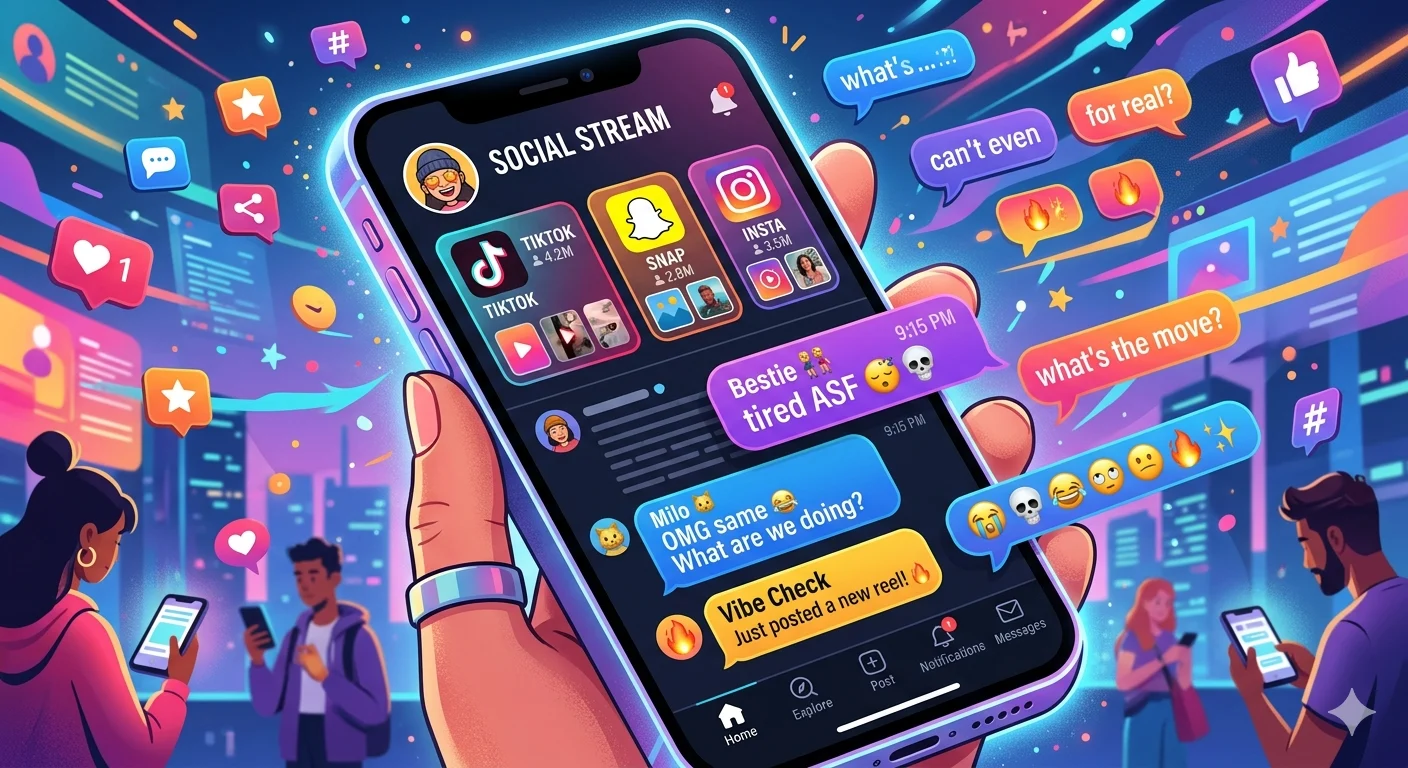
| Used In | Texting, TikTok, Snapchat, Instagram, memes |
| Tone | Informal, exaggerated, emotional, humorous |
If you spend time on TikTok, Snapchat, Instagram, X, or meme pages, you have probably seen the abbreviation “ASF” used in captions, comments, or text messages. Many people search for the meaning of ASF because the slang looks confusing at first, especially for users unfamiliar with modern internet culture. In online conversations, ASF usually means “As F***,” a slang expression people use to add strong emphasis to a statement or emotion.
The abbreviation works similarly to saying “very,” “extremely,” or “really,” but with a stronger emotional tone. For example, someone might say “I’m tired ASF” or “That movie was funny ASF.” In these situations, ASF intensifies the feeling and makes the sentence sound more dramatic, emotional, or humorous.
ASF became popular through internet slang culture where users shorten phrases to make typing faster and conversations feel more casual. It is especially common among Gen Z users on social media platforms where exaggerated reactions and relatable humor dominate online communication. Although ASF is widely used in casual conversations, it is still considered informal slang because it references censored profanity.
This guide explains the full meaning of ASF in texting, social media, and internet slang, along with examples, tone differences, comparisons, and situations where you should avoid using it.
What Does ASF Mean?
ASF is an internet slang abbreviation that stands for “As F***.” People use it to strongly emphasize emotions, opinions, descriptions, or reactions.
In casual language, ASF works like an intensifier. It makes a statement feel stronger or more dramatic.
For example:
- “I’m hungry ASF.”
- “That game is hard ASF.”
- “She’s funny ASF.”
In each sentence, ASF increases the emotional intensity of the statement.
Instead of simply saying:
- “I’m hungry.”
the speaker says:
- “I’m hungry ASF.”
This creates a more exaggerated and emotional tone.
Although the abbreviation contains censored profanity, many users type ASF instead of the uncensored phrase because it feels softer and more acceptable on social media platforms.
The slang is especially popular in meme culture where exaggerated emotions are common.
What Does ASF Mean in Texting, Slang, or Social Media?
In texting and social media, ASF is mainly used to exaggerate reactions, emotions, or opinions in a humorous or relatable way.
You will commonly see ASF on:
- TikTok
- Snapchat
- Discord
- X
- Meme pages
- YouTube comments
Examples include:
- “I’m bored ASF.”
- “That song is good ASF.”
- “This weather is hot ASF.”
The abbreviation became popular because internet users prefer fast and expressive communication. Instead of writing long emotional sentences, slang abbreviations help users communicate quickly.
ASF in Gen Z Culture
Among Gen Z users, ASF is part of a larger internet slang style built around:
- Exaggeration
- Humor
- Relatability
- Emotional reactions
For example:
- “I’m broke ASF after this weekend.”
- “That test was hard ASF.”
These phrases sound casual and relatable online.
ASF in Memes
ASF is especially common in memes because exaggerated reactions are a major part of meme humor.
Example:
- “Me pretending I’m okay when I’m stressed ASF.”
The abbreviation helps make the joke feel stronger and more emotional.
Other Meanings of ASF
Although “As F***” is the most common internet slang meaning, ASF can also have technical or professional meanings in certain industries.
Advanced Systems Format
In technology, ASF may refer to Advanced Systems Format, a multimedia file format developed for digital media.
Organization or Industry Terms
Some organizations and industries also use ASF as an abbreviation for specialized phrases or company names.
However, in texting and social media conversations, the slang meaning is usually the correct interpretation.
Because ASF has different meanings across industries, context is important.
How ASF Is Used in Real Conversations
ASF appears naturally in many online conversations.
Emotional Reactions
People use ASF to intensify feelings.
Examples:
- “I’m tired ASF.”
- “That class was boring ASF.”
- “I’m excited ASF for the concert.”
The abbreviation makes emotions sound stronger.
Humor and Meme Culture
ASF is common in jokes and relatable posts.
Examples:
- “I’m broke ASF.”
- “That moment was awkward ASF.”
The exaggeration creates humor.
Casual Conversations
Friends often use ASF in texting because it feels natural and expressive.
Examples:
- “This pizza is good ASF.”
- “I’m busy ASF today.”
The slang helps conversations feel relaxed and informal.
Examples of ASF in Sentences
Here are several real-world examples showing how ASF is used online.
- “I’m tired ASF after work.”
- “That movie was scary ASF.”
- “This food is good ASF.”
- “I’m stressed ASF right now.”
- “That outfit looks cool ASF.”
- “I’m bored ASF today.”
- “This game is addictive ASF.”
- “The weather is hot ASF.”
These examples show how ASF intensifies emotions and opinions.
Tone and Intent
The tone of ASF changes depending on context.
Strong Emotional Tone
ASF usually adds emotional intensity.
Example:
- “I’m nervous ASF.”
The speaker sounds more emotional than they would with regular wording.
Humorous Tone
Many people use ASF jokingly.
Example:
- “I’m broke ASF.”
The exaggeration creates comedic effect.
Casual Tone
ASF is informal internet slang used mostly among friends and online communities.
It makes conversations feel relaxed and conversational.
Exaggerated Tone
Internet culture often values dramatic reactions, and ASF fits perfectly into that communication style.
Origin and Background of ASF
ASF developed through internet slang culture where users shorten phrases and censor profanity for faster typing and social media friendliness.
The expression “as f***” existed in spoken language long before social media. People commonly used it to emphasize descriptions or emotions.
As texting and internet culture evolved, users abbreviated the phrase into:
- AF
- ASF
These shortened forms spread quickly through:
- Twitter/X
- TikTok
- Snapchat
- Meme culture
- Online gaming communities
The censored style helped users express strong emotions without fully writing explicit language.
Today, ASF is widely recognized across internet culture.
Is ASF Rude or Inappropriate?
ASF is considered mildly vulgar because it references profanity, even though the word is abbreviated.
Among friends and casual online communities, it is usually acceptable. However, some people may still consider it inappropriate depending on:
- Age group
- Workplace culture
- Platform rules
- Audience expectations
For example, ASF may be inappropriate in:
- School assignments
- Professional emails
- Job interviews
- Business communication
On casual social media platforms, though, it is extremely common.
When NOT to Use ASF
There are situations where ASF should be avoided.
Professional Communication
Do not use ASF in:
- Work emails
- Business meetings
- Academic writing
- Official documents
The slang sounds unprofessional.
Formal Situations
Avoid ASF in:
- Presentations
- Professional networking
- Customer communication
Clear and respectful language works better.
Sensitive Audiences
Some audiences may dislike profanity-based slang, even in abbreviated form.
Using direct but polite wording may prevent misunderstandings.
Similar and Related Slang Terms
Several internet slang terms are closely related to ASF.
AF
Means “As F***.” This is the closest related term.
Example:
- “That’s funny AF.”
Lowkey
Means subtly or quietly.
Highkey
Means openly or strongly.
FR
Means “For Real.”
NGL
Means “Not Gonna Lie.”
These terms are commonly used together in online conversations.
ASF vs Related Terms
Although similar slang exists, each term has a different tone.
ASF vs AF
Both mean almost the same thing. ASF is often seen as a slightly softer or more censored version.
itvs Lowkey
ASF exaggerates emotions, while lowkey softens them.
ASF vs FR
FR confirms honesty or agreement, while ASF intensifies emotions.
ASF vs NGL
NGL introduces honest opinions, while ASF increases emotional strength.
Comparison Table
| Term | Meaning | Usage | Key Difference |
|---|---|---|---|
| ASF | As F*** | Strong emphasis | Slightly censored slang |
| AF | As F*** | Emotional emphasis | More direct abbreviation |
| Lowkey | Quietly or subtly | Soft opinions | Opposite emotional intensity |
| FR | For Real | Agreement and emphasis | Confirmation-focused |
| NGL | Not Gonna Lie | Honest reactions | Honesty-focused |
Common Misunderstandings
One common misunderstanding is assuming ASF always has a technical meaning. While professional meanings exist, the slang interpretation is far more common on social media.
Another misunderstanding is thinking ASF is fully acceptable everywhere. Although common online, it still references profanity and may offend some audiences.
People also sometimes confuse ASF with AF. Both have nearly identical meanings, but ASF feels slightly softer because the profanity is less obvious.
faqs
What does ASF mean in texting?
ASF usually means “As F***.”
Is ASF slang?
Yes. It is a popular internet slang abbreviation.
Is ASF rude?
It can be mildly vulgar depending on the audience.
What does ASF mean on TikTok?
It is used to exaggerate emotions or reactions.
Is ASF the same as AF?
Yes, the meanings are very similar.
Do people still use ASF?
Yes. It remains popular on social media and meme pages.
Is ASF formal?
No. It is informal internet slang.
Can ASF be offensive?
In professional or formal settings, it may sound inappropriate.
conclusion
ASF is a popular internet slang term that means “As F***.” People use it in texting, memes, and social media conversations to strongly emphasize emotions, opinions, and reactions. Whether someone says they are “tired ASF” or “happy ASF,” the abbreviation adds intensity and emotional exaggeration to the statement.
The slang became popular through internet culture where users shorten phrases for faster typing and more casual communication. Today, ASF is especially common on TikTok, Snapchat, Instagram, Discord, and meme pages where emotional and humorous reactions dominate conversations. Although the term is widely accepted in casual online spaces, it should still be avoided in professional or formal communication because it references censored profanity.