
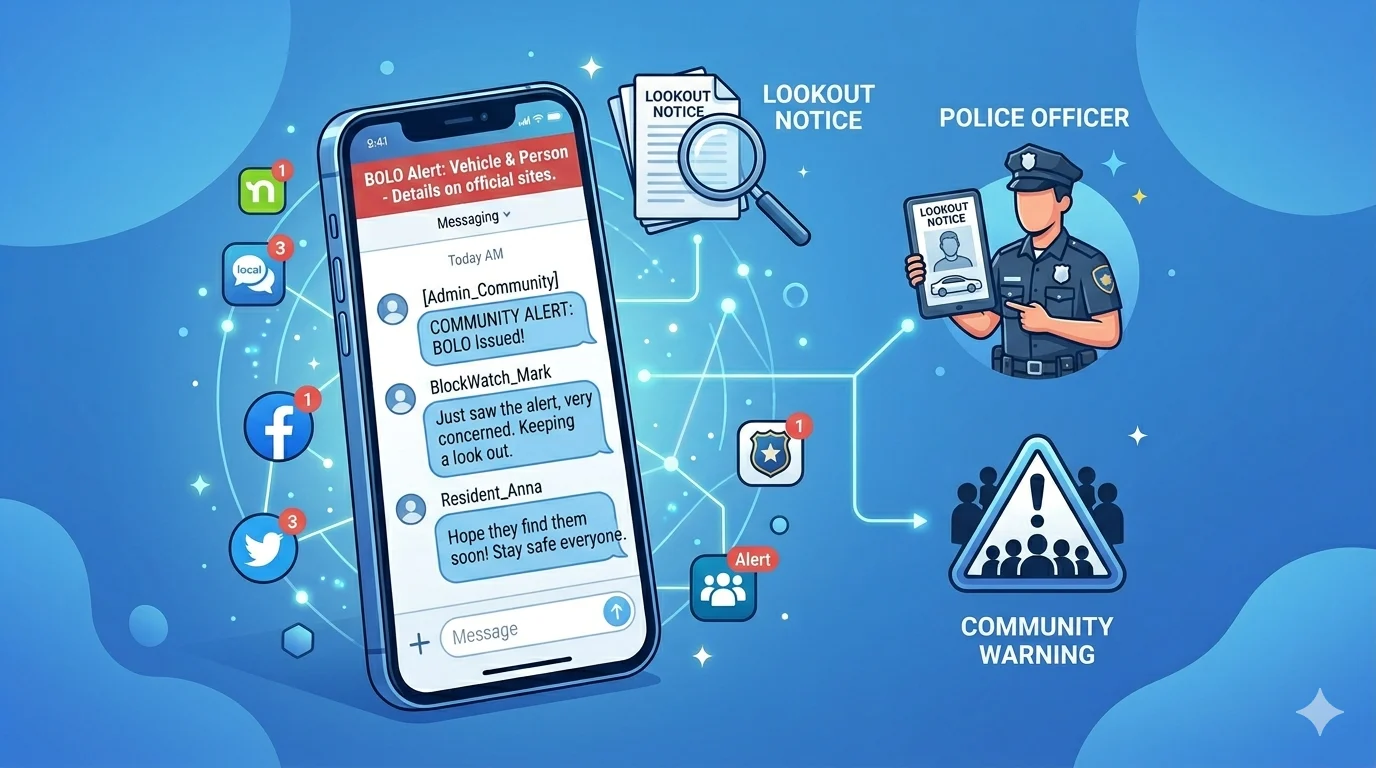
Meaning: BOLO most commonly means “Be On the Lookout.”
Full Form: Be On the Lookout
Context: Texting, social media, law enforcement alerts, online communities, and everyday conversations.
Tone: Usually serious, informative, or cautionary.
If you’ve seen the term BOLO in a text message, social media post, online forum, or news update, you may be wondering what it means. Unlike many internet abbreviations that are mainly used for humor or casual chatting, BOLO is often used to draw attention to important information. It tells people to stay alert and watch for something specific.
The term appears in many different settings. You might see it in community groups warning about a missing pet, on social media discussing a new product release, or in public safety announcements. Because BOLO can be used both formally and informally, many people are unsure whether it is slang, an acronym, or an official term.
Understanding the meaning of BOLO becomes much easier when you know the context. In most cases, it simply means that someone wants others to pay attention and stay aware of a particular situation.
What Does BOLO Mean?
BOLO stands for “Be On the Lookout.”
It is an acronym used to alert people about something they should watch for. The term encourages awareness and attention. Someone using BOLO wants others to notice, monitor, or keep an eye out for a person, object, event, or situation.
For example:
- BOLO for road closures this weekend.
- BOLO for fake giveaway accounts online.
- BOLO for the package arriving tomorrow.
The phrase is simple but effective because it immediately signals that important information is coming.
What Does BOLO Mean in Texting, Slang, or Social Media?
In texting and social media, BOLO is commonly used as a quick way to notify friends, followers, or community members about something they should watch for.
For example:
- BOLO for scam messages today.
- BOLO, tickets go on sale at noon.
- BOLO for updates from the event.
Unlike many internet slang terms, BOLO is not usually used as a joke or reaction. Instead, it serves a practical purpose. It helps spread awareness quickly.
BOLO in Text Messages
Friends may use BOLO when sharing helpful information.
Examples:
- BOLO for my call later tonight.
- BOLO for the delivery driver.
- BOLO for weather updates.
BOLO on Social Media
Social media users often post BOLO messages to alert their audience.
Examples:
- BOLO for the product launch tomorrow.
- BOLO for fake profiles pretending to be us.
- BOLO for contest results this evening.
Internet and Gen Z Usage
While younger users may understand BOLO, it is not considered a major Gen Z slang term. Instead, it remains a practical abbreviation used by people of all ages.
Other Meanings of BOLO
Although “Be On the Lookout” is the most common meaning, BOLO can have other interpretations depending on the context.
Bolo as a Word
In several languages, the word “bolo” simply means “speak” or “tell.” For example, in Hindi and Urdu, “bolo” is commonly used to mean “say” or “speak.”
Examples:
- Bolo, what happened?
- Bolo, how can I help?
This usage is completely different from the acronym BOLO.
Law Enforcement Usage
Police departments often use BOLO notices to alert officers and the public about suspects, vehicles, or ongoing investigations.
Examples:
- BOLO issued for a stolen vehicle.
- Officers received a BOLO alert.
This is one of the oldest and most recognized uses of the term.
Specialized Meanings
Certain organizations may use BOLO internally for alerts, notifications, or tracking purposes. However, these meanings are generally less common.
How BOLO Is Used in Real Conversations
BOLO is flexible and can be used in many situations.
Casual Conversations
Friends use BOLO when they want someone to stay aware of something.
Examples:
- BOLO for my message later.
- BOLO for updates from the game.
- BOLO for the new trailer release.
Online Communities
Many online groups use BOLO when sharing warnings or important information.
Examples:
- BOLO for scammers targeting new users.
- BOLO for account security updates.
- BOLO for schedule changes.
Professional Settings
Workplaces sometimes use BOLO for alerts and operational updates.
Examples:
- BOLO for maintenance announcements.
- BOLO for changes to company policies.
- BOLO for client updates this afternoon.
Examples of BOLO in Conversations
Here are some natural examples:
- “BOLO for weather alerts tonight.”
- “BOLO for our new product launch next week.”
- “The neighborhood group posted a BOLO for a lost dog.”
- “BOLO for scam emails pretending to be from banks.”
- “Police issued a BOLO regarding the missing vehicle.”
- “BOLO for ticket sales starting tomorrow morning.”
- “BOLO for updates after the meeting.”
- “BOLO for shipping notifications from the store.”
These examples show how the term can be used in both serious and everyday situations.
Tone and Intent
The tone of BOLO depends on the situation, but it generally carries a sense of awareness and attention.
Emotional Meaning
BOLO often creates urgency without causing panic. It tells people to remain informed and alert.
Positive, Negative, or Neutral?
BOLO itself is neutral.
Positive examples:
- BOLO for exciting news tomorrow.
Negative examples:
- BOLO for online scams.
Neutral examples:
- BOLO for delivery updates.
Serious vs Casual Use
In law enforcement and safety announcements, BOLO is usually serious.
In social media and texting, it can be much more casual.
For example:
- Serious: BOLO for a missing person.
- Casual: BOLO for my vacation photos later.
Origin or Background
BOLO originated in law enforcement and military communication. Officials needed a quick phrase that could alert personnel to watch for specific people, vehicles, or situations.
The phrase “Be On the Lookout” eventually became shortened to BOLO for faster communication.
As internet culture expanded, the term moved beyond police and security settings. Social media users, online communities, and businesses began using it as a simple way to share alerts and updates.
Today, BOLO is recognized across many industries and online platforms.
Is BOLO Rude or Inappropriate?
No. BOLO is generally considered respectful and appropriate.
It is commonly used in:
- Text messages
- Social media posts
- Workplace communication
- Community groups
- Public safety announcements
Because the term is informational, it rarely causes offense.
However, users should avoid creating unnecessary fear by attaching BOLO to misleading or exaggerated claims.
When NOT to Use BOLO
Although BOLO is useful, there are situations where it may not be the best choice.
Formal Writing
Academic papers, legal documents, and official reports often require complete wording.
Instead of BOLO, write:
- Be on the lookout
- Please monitor
- Please watch for
Situations That May Cause Confusion
Some people are unfamiliar with the acronym.
For example:
- BOLO for tomorrow’s announcement.
A clearer alternative might be:
- Please watch for tomorrow’s announcement.
International Audiences
Because BOLO is primarily recognized in English-speaking environments, global audiences may not immediately understand it.
Similar and Related Slang Terms
Several terms serve a similar purpose.
Heads Up
A warning or advance notice.
PSA
Short for Public Service Announcement.
FYI
Short for For Your Information.
Watch Out
A direct warning to be careful.
Alert
A notification designed to gain attention.
Each term communicates awareness, but they differ slightly in tone and urgency.
BOLO vs Related Terms
BOLO vs Heads Up
A heads-up is often informal and friendly.
BOLO usually suggests actively watching for something.
BOLO vs PSA
A PSA shares information with the public.
A BOLO specifically encourages awareness and observation.
BOLO vs FYI
FYI simply shares information.
BOLO asks people to remain alert.
Comparison Table
| Term | Meaning | Usage | Key Difference |
|---|---|---|---|
| BOLO | Be On the Lookout | Alerts and awareness | Encourages observation |
| Heads Up | Advance warning | Casual conversations | Less urgent |
| PSA | Public Service Announcement | Public information | Broad audience message |
| FYI | For Your Information | Sharing information | No alert component |
| Alert | Warning or notification | Many settings | More general term |
Common Misunderstandings
One common misunderstanding is assuming BOLO is internet slang created by social media users. In reality, the term existed long before modern social platforms.
Another mistake is believing BOLO always relates to police activity. While law enforcement frequently uses it, many everyday users also use BOLO for product launches, event updates, weather notices, and community information.
Some people also confuse BOLO with the Hindi and Urdu word “bolo,” which means “speak” or “say.” These are entirely different meanings.
Understanding the context usually eliminates confusion.
FAQ
What does BOLO stand for?
BOLO stands for “Be On the Lookout.”
What does BOLO mean in texting?
In texting, BOLO usually means watch for something important or stay alert for updates.
Is BOLO slang?
It is more accurately described as an acronym than a slang term.
What does BOLO mean on social media?
It is commonly used to alert followers about updates, warnings, announcements, or important information.
Is BOLO used by police?
Yes. Law enforcement agencies frequently use BOLO notices to alert officers and the public.
Is BOLO rude?
No. BOLO is generally neutral and appropriate.
Can BOLO have different meanings?
Yes. While “Be On the Lookout” is the primary meaning, the word can have other meanings in different languages and contexts.
How should I respond to a BOLO message?
Pay attention to the information being shared and follow any relevant instructions or updates.
conclusion
BOLO most commonly means “Be On the Lookout.” It is a useful acronym that encourages people to stay alert, informed, and aware of important information. Originally associated with law enforcement, BOLO is now widely used in texting, social media, community groups, and professional communication.
Whether someone is warning about a scam, announcing a product launch, sharing a public safety notice, or providing updates about an event, BOLO serves as a quick and effective way to get people’s attention. By understanding the context, you can easily identify the intended meaning and use the term correctly in your own conversations.
